





Best boiler temperature for a North Dakota winter

Send the form and the boiler tune-up stops being something to remember.

I'm done searching

Set your thermostat to 68 to 70 degrees during the day and let it drop to around 62 overnight. That range keeps the boiler cycling at a steady pace instead of forcing it to recover from a deep setback when temperatures outside can sit well below zero for days at a time. Pushing the water temperature itself higher than your system needs doesn't heat the house faster. Boilers heat water to a set point and circulate it on a loop, so once that water is hot enough to warm your radiators or baseboards, going higher just burns more gas without adding comfort. If your home feels cool at the far ends, that's usually a sign the system needs a look, not a sign to crank the dial. Through a North Dakota winter, a boiler running at the right, steady temperature holds up better and costs less to run than one pushed hot and cold all season.

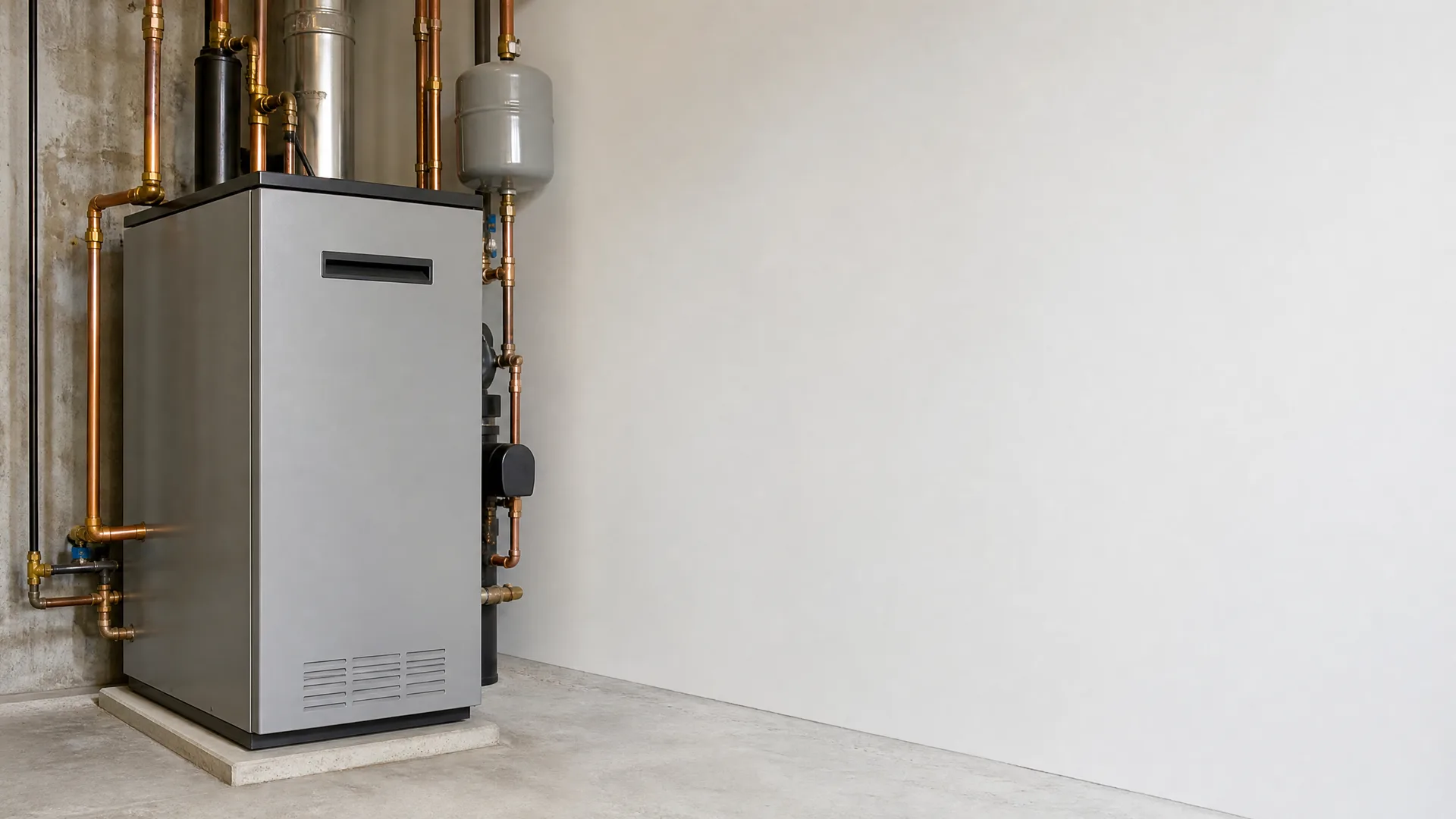
A gray floor-standing boiler on a concrete pad in a bare room, connected to copper pipes and an expansion tank against a plain light wall.

Why the boiler runs steadier warm

A boiler heats water and sends it through pipes to radiators or baseboard units, not through ducts. That water holds heat longer than air does, so once the house reaches your set temperature, the system can ease off instead of firing hard and often. Cutting the thermostat down too far overnight asks the boiler to reheat that water from scratch when it's below zero outside, which is harder on the burner than holding a steady line.

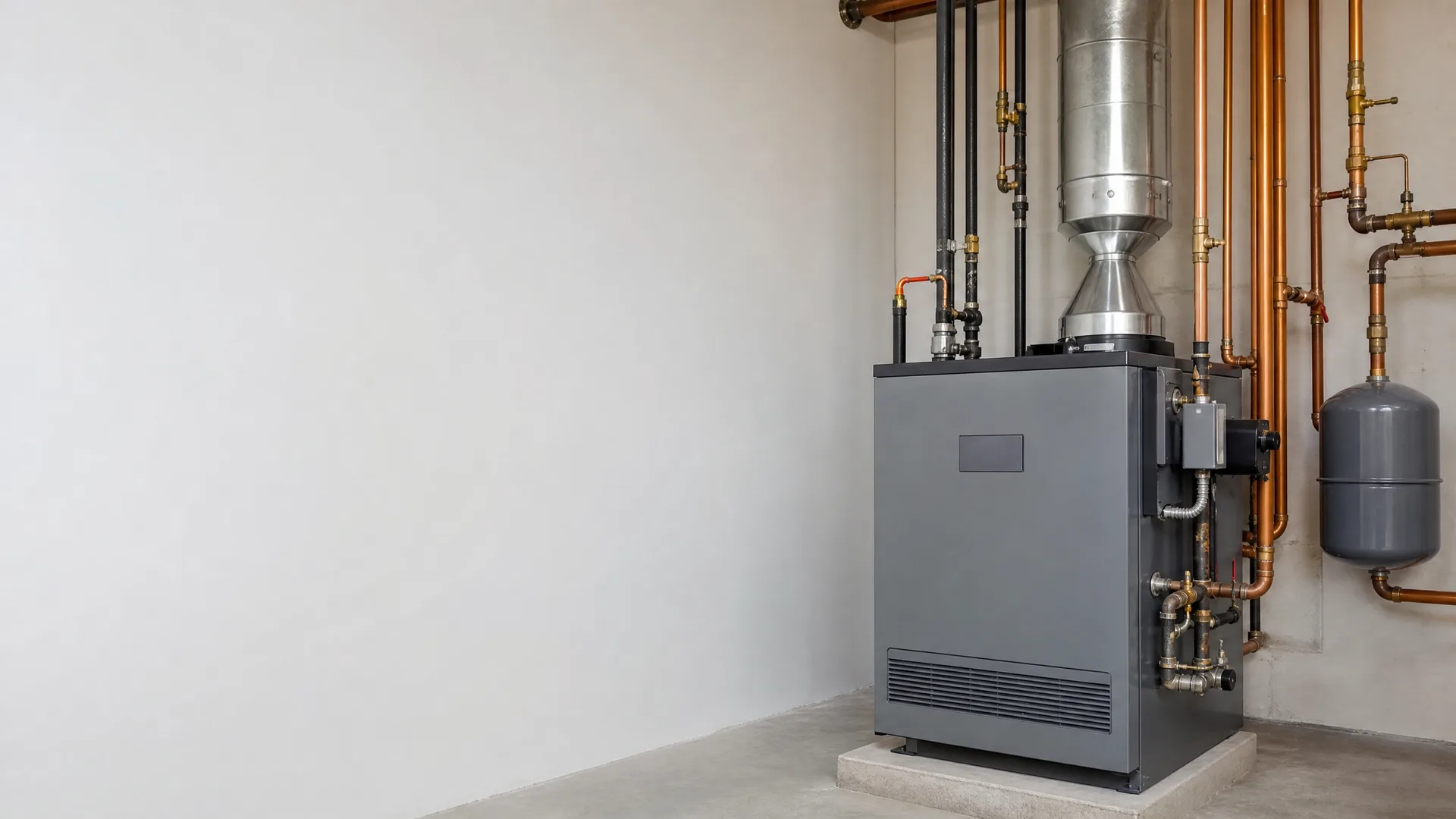
A gray boiler on a concrete pad in a plain room, connected to copper and black pipes and a stainless steel flue.

What a yearly check catches

A boiler that's been serviced before the cold sets in runs closer to the temperature you set it for. A technician who works on these systems all winter in North Dakota checks the pressure, bleeds air from the lines, and looks at the burner and igniter before the hard freezes hit. Low pressure or trapped air makes rooms uneven, some too warm and some too cold, which pushes you to adjust the thermostat more than you should have to.

What temperature should I set my aquastat to?

The thermostat controls when the boiler fires, but the aquastat is a different setting altogether, and most homeowners never touch it after installation. With North Dakota winters pushing the system hard for months, you want to know if the factory setting is actually right for your house or just left over from whoever installed it.

Set it between 160 and 180 degrees

The aquastat controls how hot the water in the boiler gets before it shuts off, not when the boiler turns on. For most homes running baseboard or radiators, 160 to 180 degrees gives the water enough heat to warm a room fully through a North Dakota cold snap without the boiler short cycling. Set it too low and the water cools before it finishes heating the room, so the boiler fires more often to catch up. Set it too high and you're paying gas to hold water hotter than the house needs. A tech who services boilers in your area every winter can check your aquastat against your actual radiators and tell you if it's set right for the house.

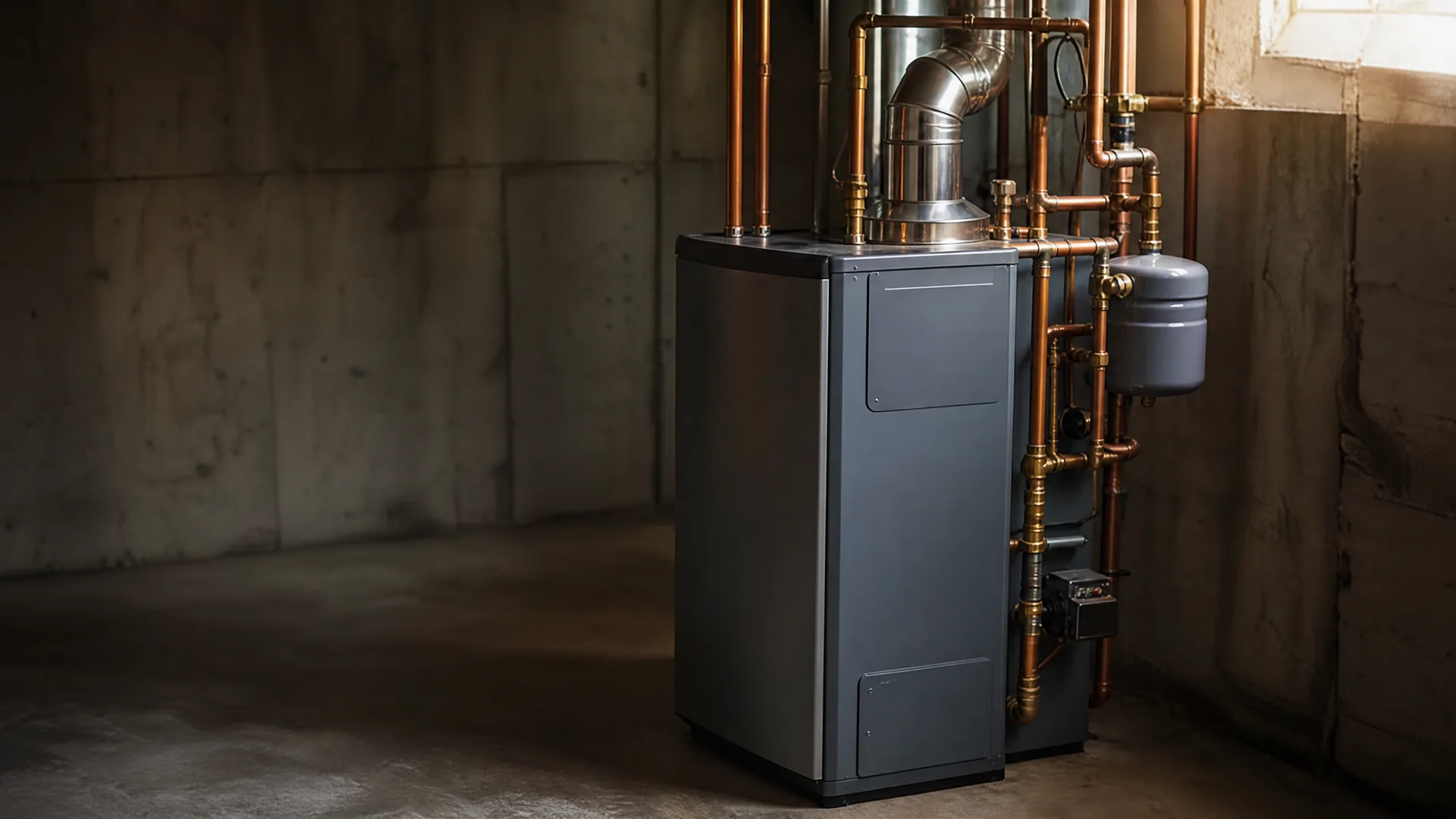
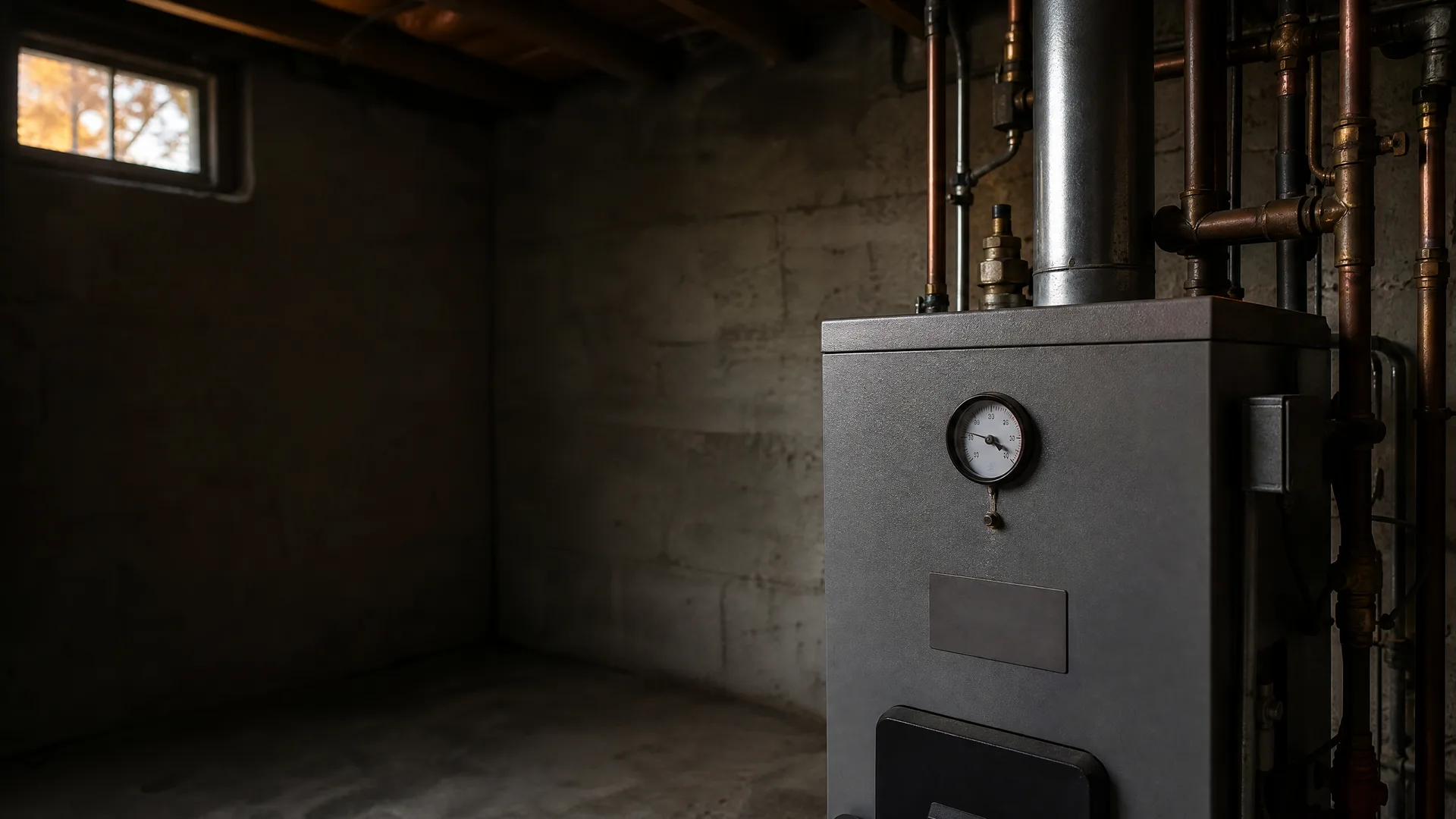
A gray boiler with a round pressure gauge and copper piping stands in a dim concrete basement lit by a small window showing yellow foliage.

You're down in the basement on a Saturday in October, moving the storage bins off the shelf before the snow comes. The boiler kicks on behind you, and you stop to check the pressure gauge out of habit, the way you've started doing every fall. The needle sits low, closer to zero than the middle of the dial where it usually rests. You tap the glass once. It doesn't move. Upstairs the house feels fine, warm enough, nothing wrong yet. But you know a boiler running low on pressure now means it's working harder than it needs to once the real cold sets in, and you'd rather deal with it while you're still only wearing a flannel.

Overnight Setback: Steady or Deep

Steady setback

  • Dropping to 62 overnight and back to 68 in the morning asks the boiler for a small recovery, not a big one.
  • The boiler cycles on and off at a normal pace through the night instead of sitting idle for hours.
  • Pipes and radiators stay warm enough that the system isn't starting cold when the thermostat calls for heat again.
  • Morning recovery takes a short, predictable run rather than a long push to catch up.
  • This is the pattern that keeps the boiler, the aquastat and the thermostat working within the range they were set up for.

Deep setback

  • Dropping the house to 55 or lower overnight asks the boiler to make up a much bigger gap by morning.
  • Radiators and pipes cool all the way down, so the system has to reheat the water and the house from a colder start.
  • A long recovery run means the boiler fires continuously for a stretch instead of the short cycles it's built for.
  • On a morning when it's well below zero outside, that recovery takes longer and leans on the boiler harder than a shallow setback would.
  • Homeowners who try this to cut costs often find the boiler runs just as long, only in one block instead of spread out.
A man in a gray sweater reclines in a brown leather armchair with his eyes closed, beside a wooden side table holding a mug, a folded newspaper and a potted plant, with a bookshelf and sunlit window behind him.
A man with greying hair and a dark sweater leans back on an armchair with his eyes closed and a slight smile, in a living room with a bookshelf, plant, folded newspaper and mug on a wooden table.
A man in a gray fleece jacket sits reclined in a leather chair with his eyes closed, in a room with bookshelves, a table lamp, a window, and a desk holding a folded newspaper and a dark mug.
A bearded man in a gray fleece pullover sits with eyes closed in a brown leather armchair in a living room, with a floor lamp, bookshelf, potted plants, a side table holding newspapers and a dark mug, and a bright window behind him.

One request and it's handed off

A licensed local pro takes the request for your boiler tune-up.

Sending the form costs nothing.

Home all day through winter

If someone is home most days, the boiler never has to recover from a long setback. You can hold 68 to 70 straight through without much thought, and let it drop to 62 at night. The system stays in a steady rhythm, cycling on and off at a normal pace. There is no cold house to reheat in the morning, no stretch where the radiators sit cold for ten hours. This is the easier pattern for a boiler to run, and it tends to mean fewer surprises when a hard cold snap sets in during January or February.


Gone most of the day

If the house sits empty from early morning until evening, a deep setback asks more of the boiler right when you walk in the door and bump the thermostat up. It has to recover fast, working harder than it would from a smaller swing. A narrower setback, maybe 66 instead of 62, gives it less ground to make up. Gas here is the main heat source and power is cheap, so the cost difference is small, but the wear on the boiler from repeated hard recoveries is the thing worth watching over a full winter.

A gray residential boiler with a metal flue pipe stands in a concrete-block basement corner, surrounded by copper piping, valves and a gray expansion tank.
Before you get your boiler maintenance
A dark gray floor-standing boiler in a concrete-walled basement, connected to copper piping, circulator pumps, a gray expansion tank, and a cream-colored storage tank to the left.
After you get your boiler maintenance

Before you get your boiler maintenance

You're guessing at the right setback, watching the pressure gauge yourself, and hoping the igniter and the circulator pump hold through the cold months ahead.

Hand it over

After you get your boiler maintenance

A local contractor who services this equipment every winter checks the aquastat, the pressure, and the parts that tend to fail first, so the system is ready before the hard cold sets in.

Hand it over

Winter nights average 4°F statewide

At 4 below zero overnight, your boiler isn't idling much between cycles. It's firing often to hold that 62 to 68 range, which is exactly why keeping the aquastat and circulator pump in good shape matters before the coldest nights hit.

NOAA nClimDiv 1991-2020 county normals weighted by homes

A gray boiler with a metal flue pipe stands in a basement against concrete and concrete-block walls, connected to copper piping, a circulator pump, and two gray expansion tanks.
A boiler like this holds pressure, keeps its expansion tanks tight, and sends heat through the pipes without a fight.
A gray boiler on a concrete pad in a basement with painted concrete block walls, copper piping, a metal flue, and electrical control boxes.
An older boiler on a raised pad can still run, but galvanized flue parts and aging controls are where trouble starts first.

Is your boiler actually holding that temperature

Walk past the radiators on a cold morning and feel for it. Some rooms warm up fast and others stay cool no matter how long the boiler runs, which usually means air trapped in that line or a circulator pump losing strength. Listen at the boiler itself. A steady hum while it fires is normal. Banging, kettling, or a hum that turns into a knock means the heat exchanger is scaling up inside. Check the pressure gauge while you're down there. If it keeps drifting low between fills, something is leaking slowly somewhere in the system. None of this fixes itself over a winter, and a boiler working harder than it should to hold 68 is the one most likely to quit on the night you need it most.

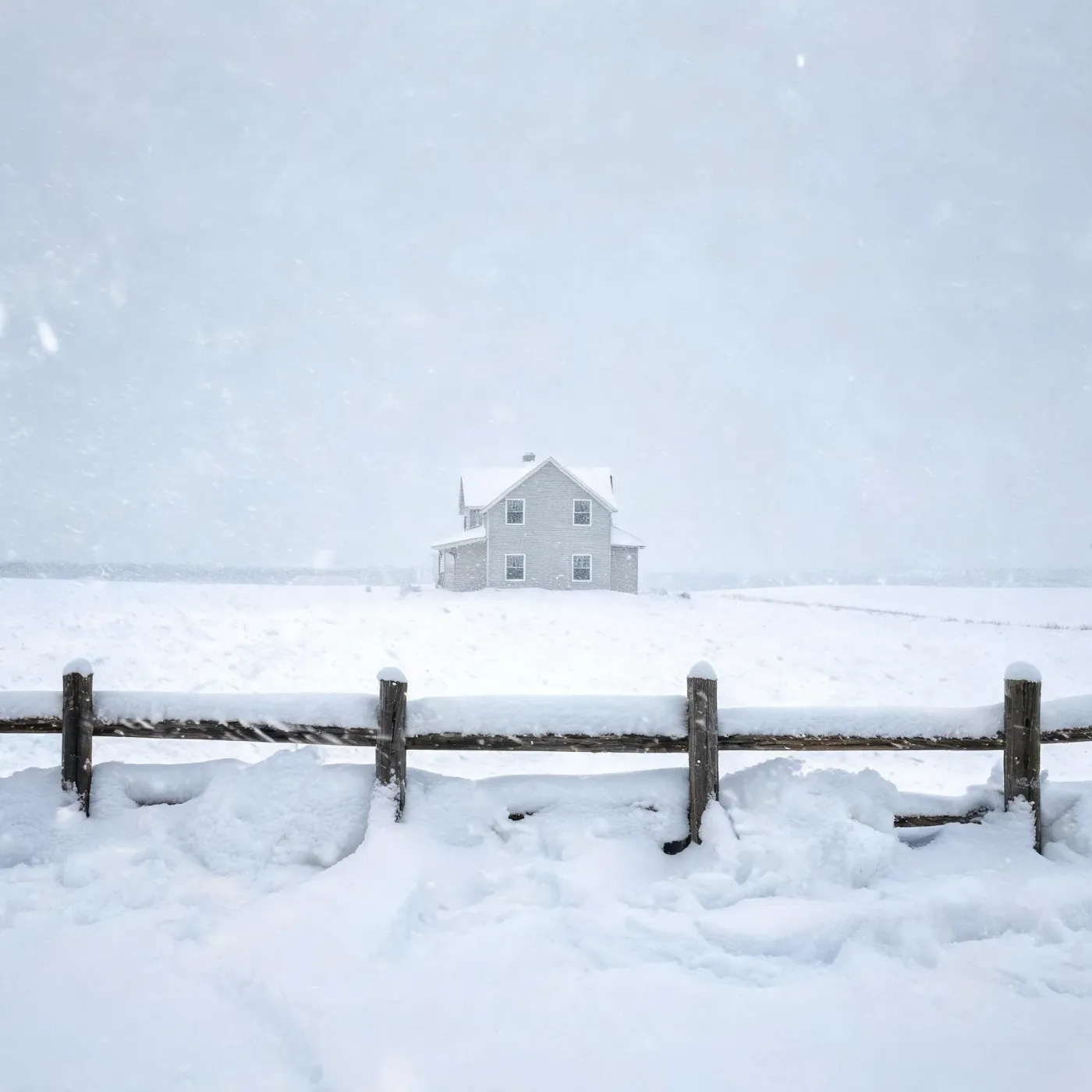
A two-story light-colored house with a gabled roof stands alone in a snow-covered open field during falling snow, with a snow-topped wooden post-and-rail fence crossing the foreground.

Statewide, winter nights average 4°F, according to NOAA climate data. That's the kind of cold where your boiler isn't cycling on and off so much as running long stretches just to hold 62 at night and climb back to 68 in the morning. The burner sees more hours of flame time, the circulator pump moves water almost continuously, and the aquastat and igniter get worked harder than they do in a mild stretch. You might notice the basement staying warmer than usual, or the boiler sounding like it rarely shuts off on the coldest nights. That's normal for this kind of cold. It's also why worn parts tend to show themselves in January, not October.

NOAA nClimDiv 1991-2020 county normals weighted by homes

A gray-haired man in a blue quarter-zip sweater sits in an armchair with his eyes closed, beside a large window with bare trees outside and a potted plant and lamp nearby.
A woman in a cream knit sweater sits in an armchair with her eyes closed and head tilted back, beside a window showing orange autumn foliage and a wooden side table with a mug.

Holding steady through winter

  • 68 to 70 during the day and 62 overnight keeps your boiler cycling at a steady pace through a North Dakota winter.
  • That range asks for a small recovery each morning instead of a long, hard push when the boiler has to make up a lot of ground.
  • At 4 below zero overnight, a boiler holding this range is already working long stretches, so the aquastat, circulator pump and igniter need to be in good shape before the coldest nights hit.
  • Uneven heat between rooms or a pressure gauge that won't hold steady usually points to trapped air or a circulator pump losing strength, not the thermostat setting.
  • A local contractor who services boilers all winter knows which parts on this equipment tend to fail first and can check them before they do.
  • One contractor takes the call for your home, so you're dealing with a single visit instead of sorting through several companies.

68 to 70 by day and 62 at night is the range that keeps your boiler working the way it was built to work. It's a small ask each morning, not a long recovery, and that matters when the forecast sits below zero for days at a stretch. The system still runs hard on those nights. At 4 below, it's not cycling lightly, it's holding a long burn to keep up with the heat the house is losing. That's why the parts behind the thermostat setting carry the real weight all winter: the aquastat telling the boiler when to fire, the circulator pump pushing hot water out to the radiators, the igniter lighting it each time. If a room stays cool no matter how long the boiler runs, or the pressure gauge won't sit still, the setback isn't the problem. Something downstream is losing ground.

That's where a maintenance visit earns its keep before the cold settles in for good. A contractor who works on boilers all winter in this state has seen which parts tend to go first and what a weak circulator pump or a failing aquastat looks like before it leaves you without heat on the coldest night of the year. The request connects you with one contractor, local to you, so it's a single visit to sort out rather than several companies competing for the job. You set the thermostat. The equipment behind it is what makes that number mean anything.

A gray boiler unit in a concrete-walled basement, connected to copper piping, a metal flue duct, and a wall-mounted expansion tank.

It's off your list after this

Step 1 of 3: Equipment