Tell us about the job
Takes about a minute. No obligation.
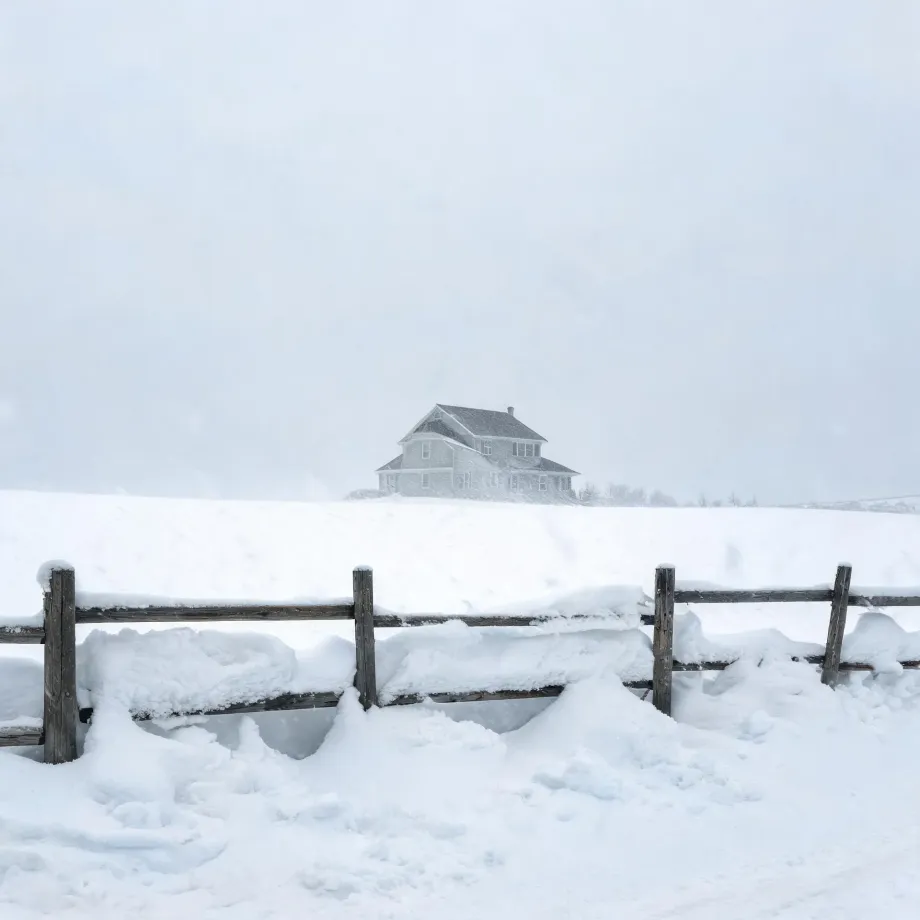
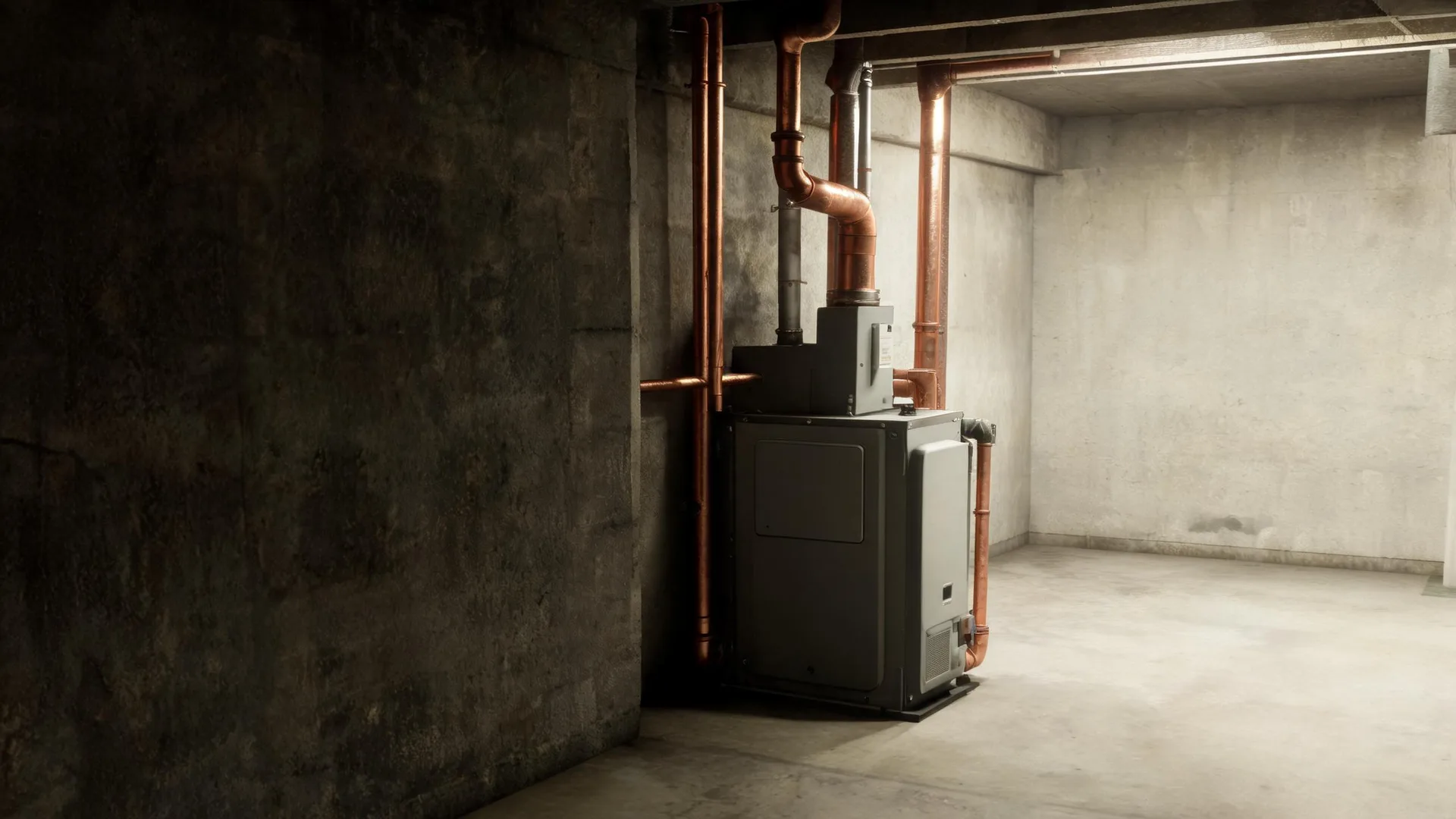
Homes in Pembina County, ND run heat about nine months a year, from September through May. A boiler cycling through that kind of heating load puts the burner assembly, heat exchanger, and ignition components through repeated thermal stress, season after season, with only a short summer break before the next run begins. By the time a homeowner calls for a repair, a contractor has to determine whether a failed part wore out on a reasonable schedule or gave out sooner than it should have. That distinction drives the repair scope: a part that failed early points to something the contractor needs to find and correct, while a part that simply ran its course gets replaced and the rest of the system gets a careful look for what is likely to follow.
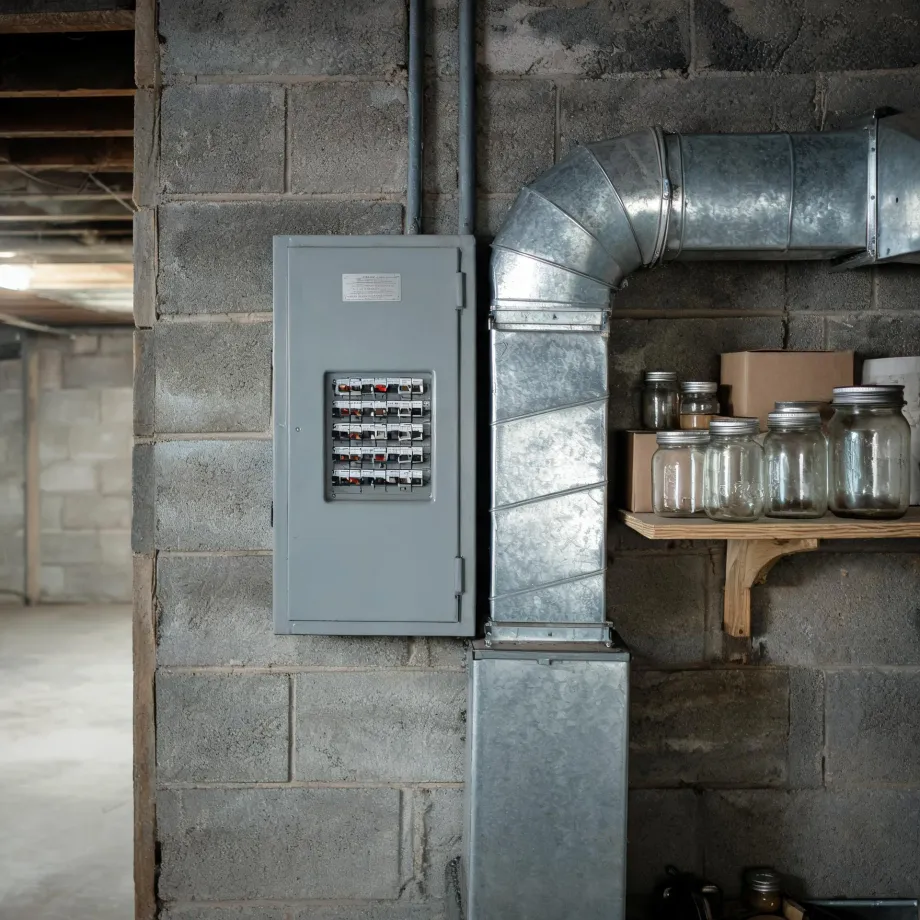
Piping, zone valves, and expansion tanks in a house this age have been through a long run of hard winters, and what a contractor finds when the boiler opens is rarely the whole story. Half the homes in Pembina County, North Dakota were built in 1969 or earlier (2020-2024 ACS 5-year). That means a repair call here often reaches past the unit itself: corroded fittings, failed zone controls, or a circulator pump that has been limping are all common finds in distribution systems of this vintage. The boiler may be the presenting problem, but the piping that feeds the rest of the house decides whether the repair holds.
The Parts of a Boiler a Contractor Checks First
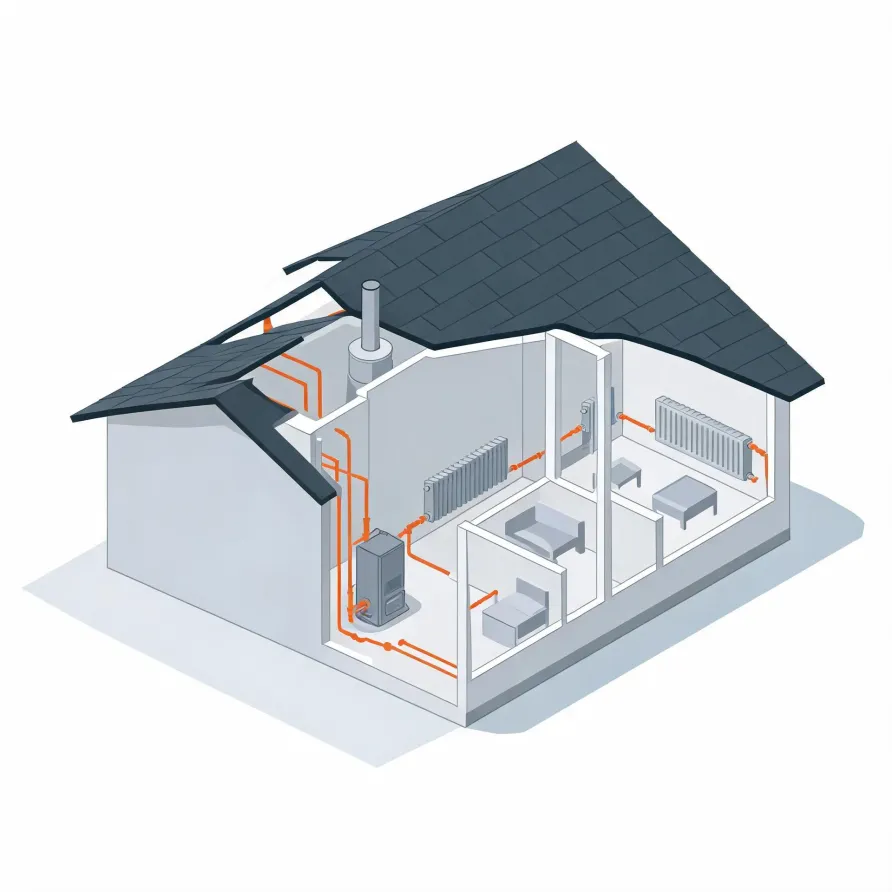
The boiler itself sits in the basement or mechanical room and is the piece a contractor reaches for first. It heats water and pushes it out to the rest of the house. When heat stops reaching certain rooms, or the system short-cycles, or pressure climbs unexpectedly, the boiler's burner, heat exchanger, or pressure relief valve is usually where the diagnosis begins.
From the boiler, a network of pipes carries hot water to radiators or baseboards positioned along the walls of living spaces, then returns cooler water back. The circulator pump drives that loop, and the expansion tank sits nearby to absorb pressure changes. A failed pump or a waterlogged expansion tank shows up quickly as uneven heat or system noise.
The drawing shows a typical boiler layout, and a licensed contractor determines which components apply to your specific setup.
Find a contractor in Pembina CountyPembina County by the Numbers
168 severe weather events were recorded in Pembina County, North Dakota between 2015 and 2024.
NOAA National Centers for Environmental Information, Storm Events Database, bulk CSV export, events 2015-01-01 through 2024-12-31.Half the homes in Pembina County, North Dakota were built in 1969 or earlier (2020-2024 ACS 5-year).
U.S. Census Bureau, 2020-2024 American Community Survey 5-Year EstimatesPembina County, North Dakota holds 3,503 housing units (2020-2024 ACS 5-year).
U.S. Census Bureau, 2020-2024 American Community Survey 5-Year EstimatesOwners occupy 74.6% of the occupied homes in Pembina County, North Dakota (2020-2024 ACS 5-year).
U.S. Census Bureau, 2020-2024 American Community Survey 5-Year EstimatesBoiler & HVAC Repair Rules on the Books for Pembina County, North Dakota1 sourced regulations & standards
Licensing and Legal Requirements in Pembina County, North Dakota
North Dakota requires a contractor licence once the cost, value or price of a job exceeds four thousand dollars, and an unlicensed contractor may not bring a claim or a lawsuit in a North Dakota court over the work.
Severe Weather Events in Pembina County
Pembina County weather puts real stress on boilers over time. How hard a heating system works, and how often it needs repair, is shaped by what the local climate delivers.
168 severe weather events, 2015–2024. Source: NOAA National Centers for Environmental Information, Storm Events Database.