Tell us about the job
Takes about a minute. No obligation.
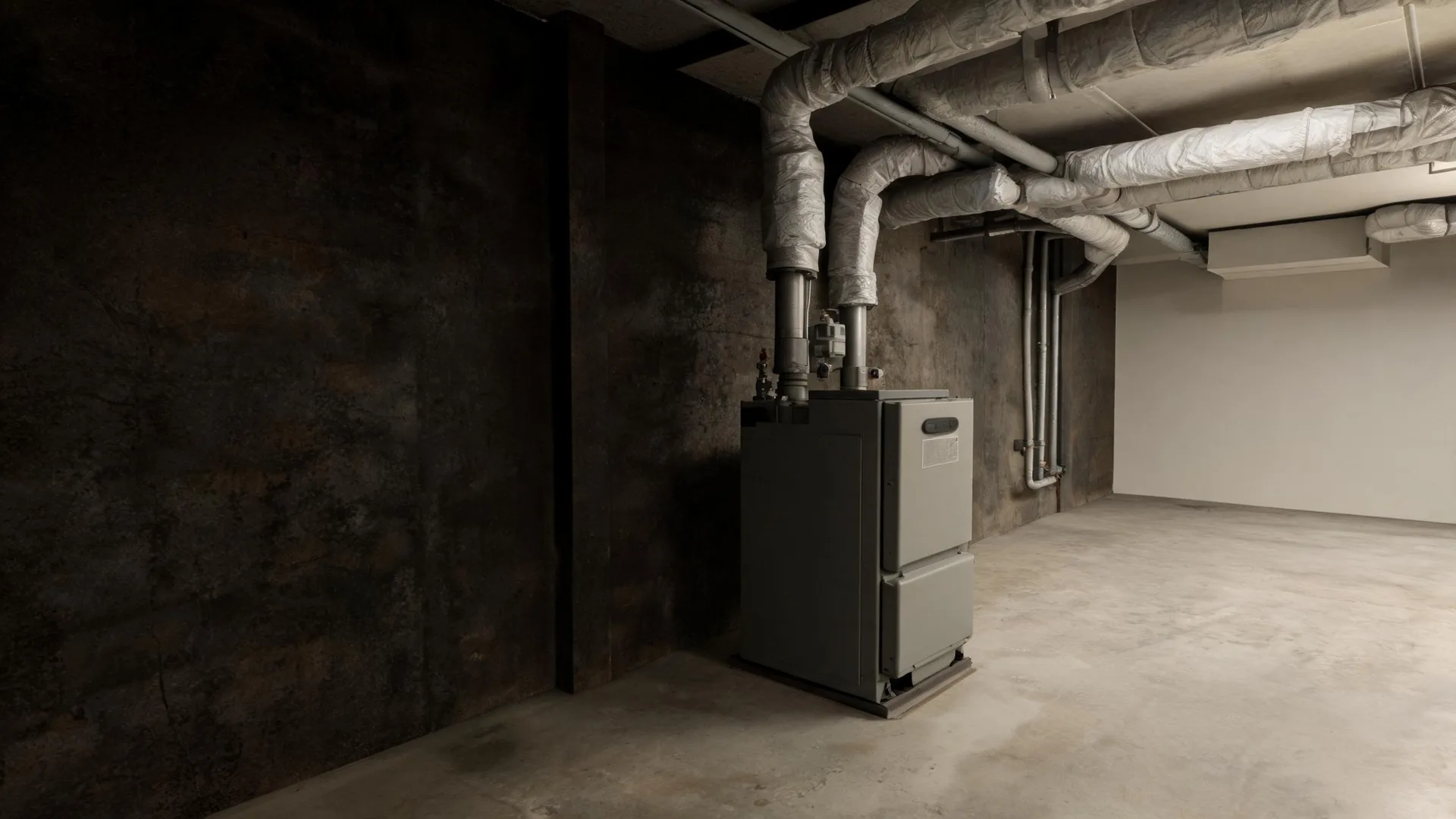
On a repair call, a contractor starts with the burner assembly and ignition system, because those are the parts that cycle every time the boiler fires. Homes in Mountrail County, ND run heat about ten months a year, from September through June. That kind of repeated cycling wears the igniter, the flame sensor, and the heat exchanger surfaces at a pace that shorter seasons simply do not produce. By the time a homeowner notices a problem, the ignition components have already logged the kind of accumulated stress that shows up as cracked electrodes, fouled sensors, or a heat exchanger that has begun to fatigue.
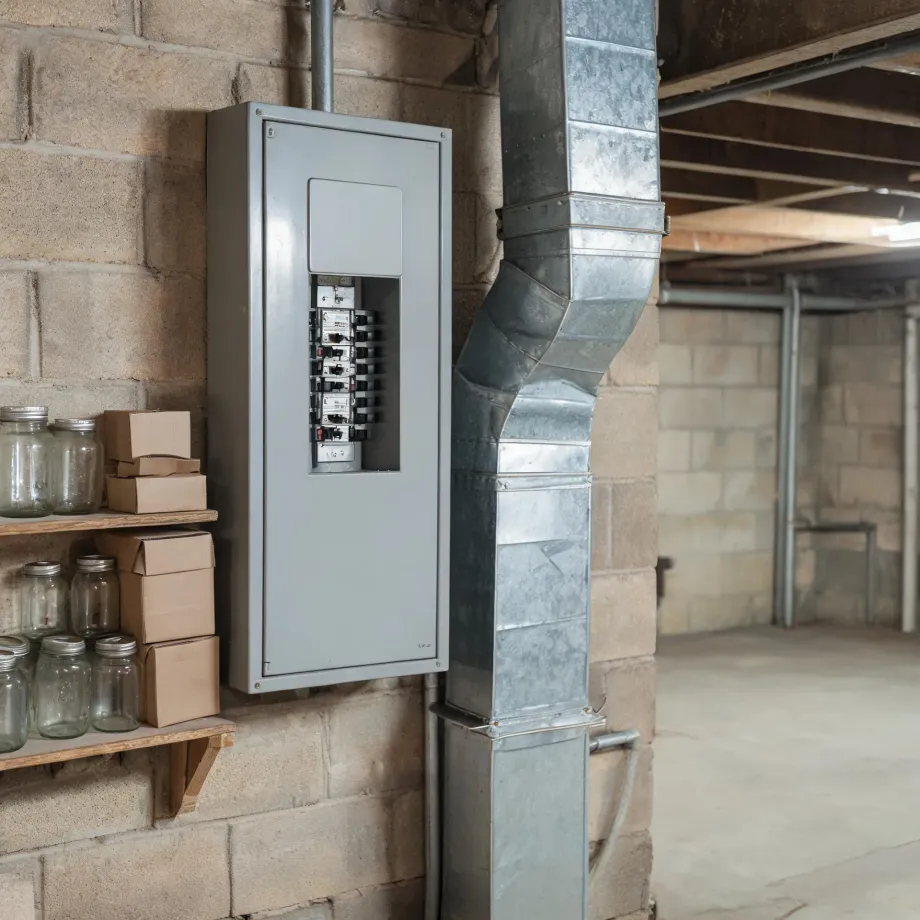
Boilers in housing this old have typically outlasted their original controls, and what a contractor finds once the unit is open decides whether the job is a part swap or something the current parts market cannot support. Half the homes in Mountrail County, North Dakota were built in 1997 or earlier (2020-2024 ACS 5-year). A heat exchanger that has run through that many North Dakota winters may show stress a visual inspection from the outside will miss, and some of the components these systems were built around are no longer stocked anywhere a local contractor can reach quickly. The opened unit is what produces a real repair scope, and the building's age alone tells a homeowner nothing about which way that goes.
The Parts of a Boiler a Contractor Checks First
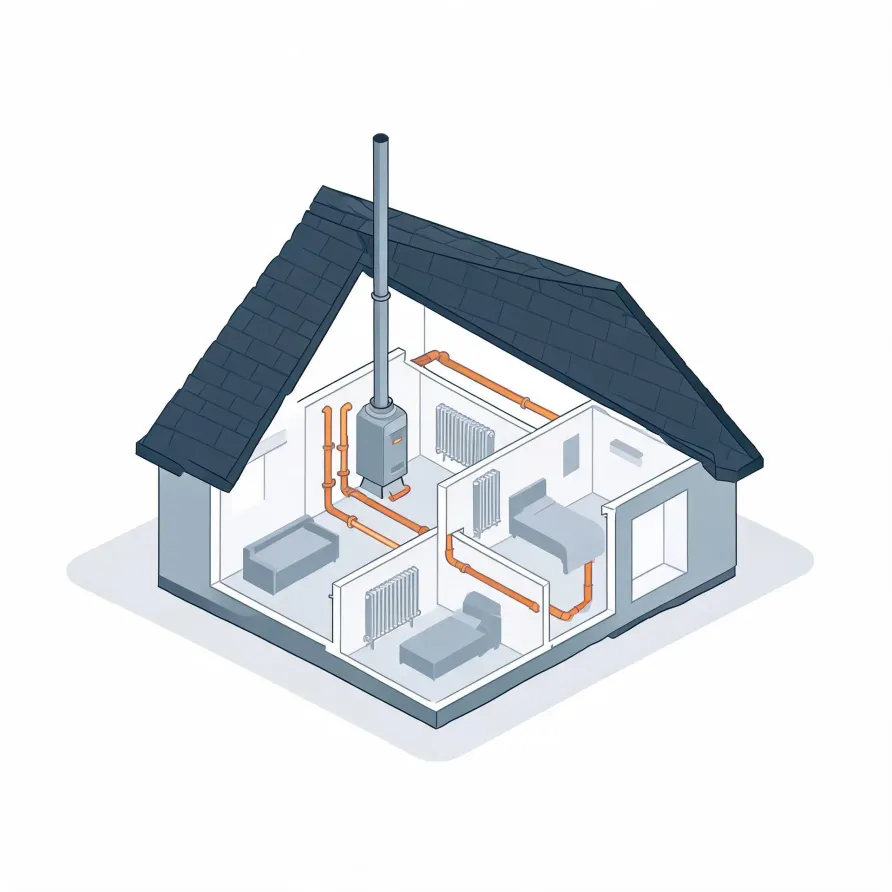
The boiler itself sits in the basement or mechanical room and is where water gets heated before it moves through the house. A contractor starts here, checking the heat exchanger, burner assembly, and pressure relief valve, because a fault in any of them shows up as no heat, uneven heat, or a system that shuts itself down.
From the boiler, water travels through supply pipes to radiators or radiant floor loops in each room, then returns through a separate line. The circulator pump drives that loop, and the expansion tank sits nearby to absorb pressure changes as water heats and cools. A contractor checks both, since a failed pump or a waterlogged tank will stop heat from reaching the rooms even when the boiler itself is running.
The drawing shows a typical boiler layout, and a licensed contractor determines which components apply and what condition they are in for your specific home.
Find a contractor in Mountrail CountyMountrail County, by the numbers
142 severe weather events were recorded in Mountrail County, North Dakota between 2015 and 2024.
NOAA National Centers for Environmental Information, Storm Events Database, bulk CSV export, events 2015-01-01 through 2024-12-31.Half the homes in Mountrail County, North Dakota were built in 1997 or earlier (2020-2024 ACS 5-year).
U.S. Census Bureau, 2020-2024 American Community Survey 5-Year EstimatesMountrail County, North Dakota holds 5,099 housing units (2020-2024 ACS 5-year).
U.S. Census Bureau, 2020-2024 American Community Survey 5-Year EstimatesOwners occupy 61.5% of the occupied homes in Mountrail County, North Dakota (2020-2024 ACS 5-year).
U.S. Census Bureau, 2020-2024 American Community Survey 5-Year EstimatesCodes & Standards Governing Boiler and HVAC Repair in Mountrail County, North Dakota1 sourced rules and standards
Licensing Rules for Mountrail County, North Dakota
North Dakota requires a contractor licence once the cost, value or price of a job exceeds four thousand dollars, and an unlicensed contractor may not bring a claim or a lawsuit in a North Dakota court over the work.
Severe Weather Events in Mountrail County
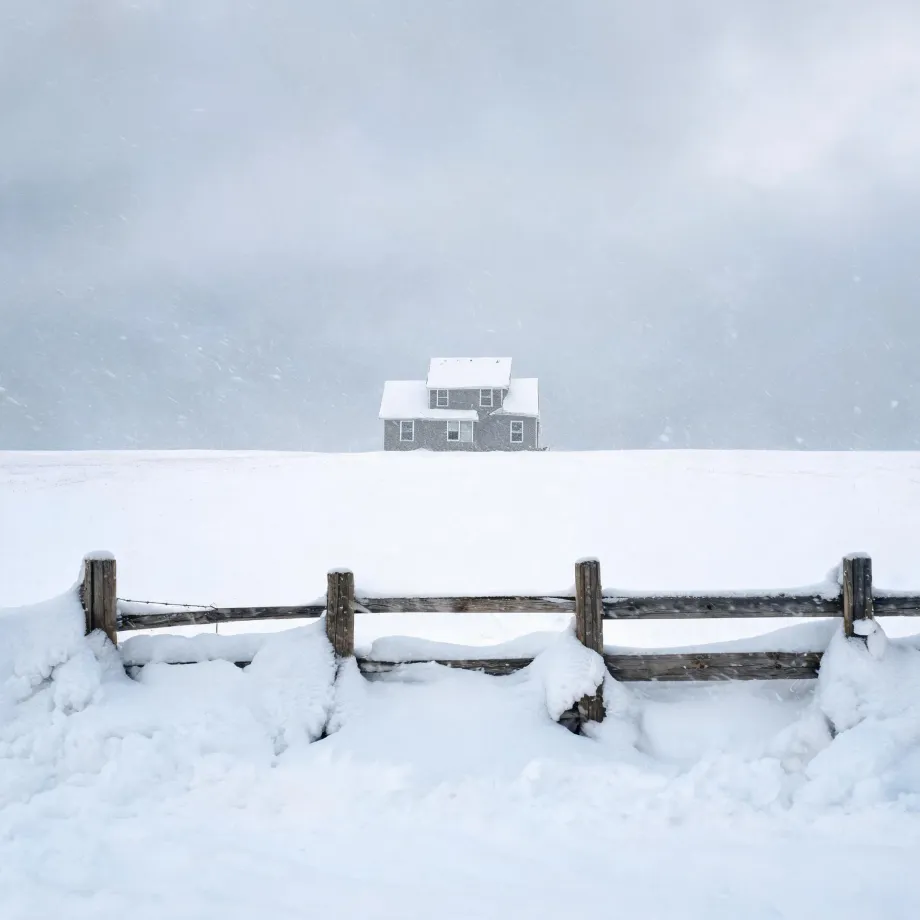
Extreme weather puts real stress on boiler systems, and Mountrail County's climate is part of what determines how hard local equipment works. A boiler that runs through harsh conditions needs a contractor who understands what the weather here actually demands of it.
142 severe weather events, 2015–2024. Source: NOAA National Centers for Environmental Information, Storm Events Database.