No quotes to chase
Is a high-efficiency boiler worth it in North Dakota
Gas heats most homes in North Dakota, and power here is cheap, so a high-efficiency boiler doesn't pay back the same way it might elsewhere. This page looks at when the upgrade makes sense for your house and when your current boiler is fine to keep. Skip the search for a boiler installer, the calls, and the quote comparing, and get matched with one licensed local contractor who can look at your actual setup.
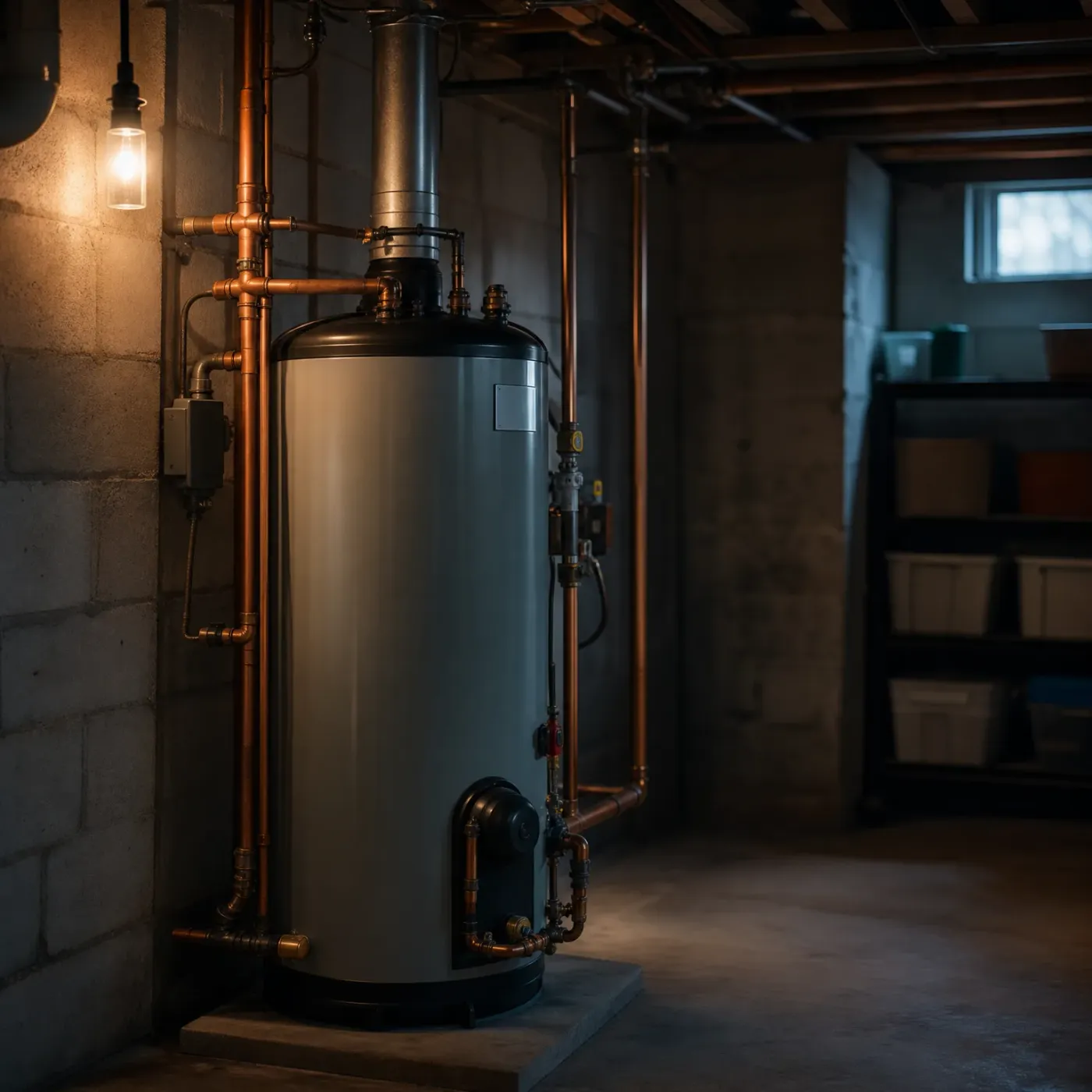
Start one formA high-efficiency boiler is worth it in North Dakota if your old one is failing or past 15 to 20 years old, but it's rarely worth replacing a boiler that's still running well just to save on gas. Gas heats most homes here, and gas is cheap in this state, so the fuel savings from a condensing boiler take longer to add up than they would somewhere paying more per therm. A standard boiler already runs at 80 to 85 percent efficiency; a high-efficiency model pushes past 90, but that gap matters most when you're heating a North Dakota winter for six or seven months straight, not when the unit only has a few years left in it anyway. If your boiler is old, inefficient, or needs frequent repairs, replacing it with a high-efficiency unit makes sense. If it's working fine, the smarter move is usually to keep it running and put money toward repairs as they come up instead.




How a Condensing Boiler Works
- A standard boiler vents a lot of heat straight out the flue; a high-efficiency model condenses that exhaust and pulls the extra heat back into your water.
- That condensing step means the flue gas cools enough to turn to liquid, so the unit drains condensate and needs a PVC vent instead of a metal one.
- High-efficiency boilers modulate, ramping output up and down to match the house instead of firing at one rate like older models do.
- A sealed-combustion design pulls outside air in through its own intake pipe rather than burning air it has already heated inside your home.
- Swapping venting from metal to PVC is often the bigger part of the job, since the old chimney or flue usually can't be reused.
- Because the unit modulates, it runs longer at lower output rather than cycling on and off, which is a different pattern than an older boiler shows on the thermostat.
A standard boiler burns gas, heats your water, and sends what's left out the flue while it's still hot. A high-efficiency boiler doesn't let that heat go. It runs the exhaust through a second heat exchanger first, pulling out most of what's still usable before anything leaves the house. That extra step is what gets it into the high nineties for efficiency instead of the low eighties a standard unit gets.
Cooling that exhaust that far changes what comes out the other end. The gas drops below its dew point and turns to water, acidic enough that it needs a condensate drain and a trap, and a vent pipe made of PVC instead of metal, since metal corrodes fast under that kind of moisture. This is usually why a swap isn't a simple box-for-box change. The old metal flue running up through the house typically can't carry condensing exhaust, so the install often means running new PVC venting out through a wall or up alongside the old chimney, which old chimney then gets abandoned.
The burner itself behaves differently too. Instead of firing at one rate and shutting off, it modulates, turning up or down to match how much heat the house actually needs right then. On your thermostat that shows up as longer, steadier run times rather than the on-off cycling you're used to seeing from the old unit.


Skip the calls to every shop
If your boiler is old enough or acting up enough that you're weighing a high-efficiency replacement, the part that eats time isn't the decision, it's finding someone to do it right. You'd normally be calling around to a handful of companies, explaining the same thing about your boiler each time, waiting on quotes, then trying to judge which contractor actually knows condensing boilers versus one who mostly installs standard units. That's the work this page skips. One request goes to a licensed contractor local to North Dakota, someone who installs and services boilers in homes like yours all winter and has a straight answer on whether a high-efficiency unit makes sense for your house or whether your current boiler still has life in it. No explaining your situation five times over, no stack of quotes to sort through and compare line by line. Just one contractor, already familiar with what fails and when, looking at your boiler.
Why the new vent matters
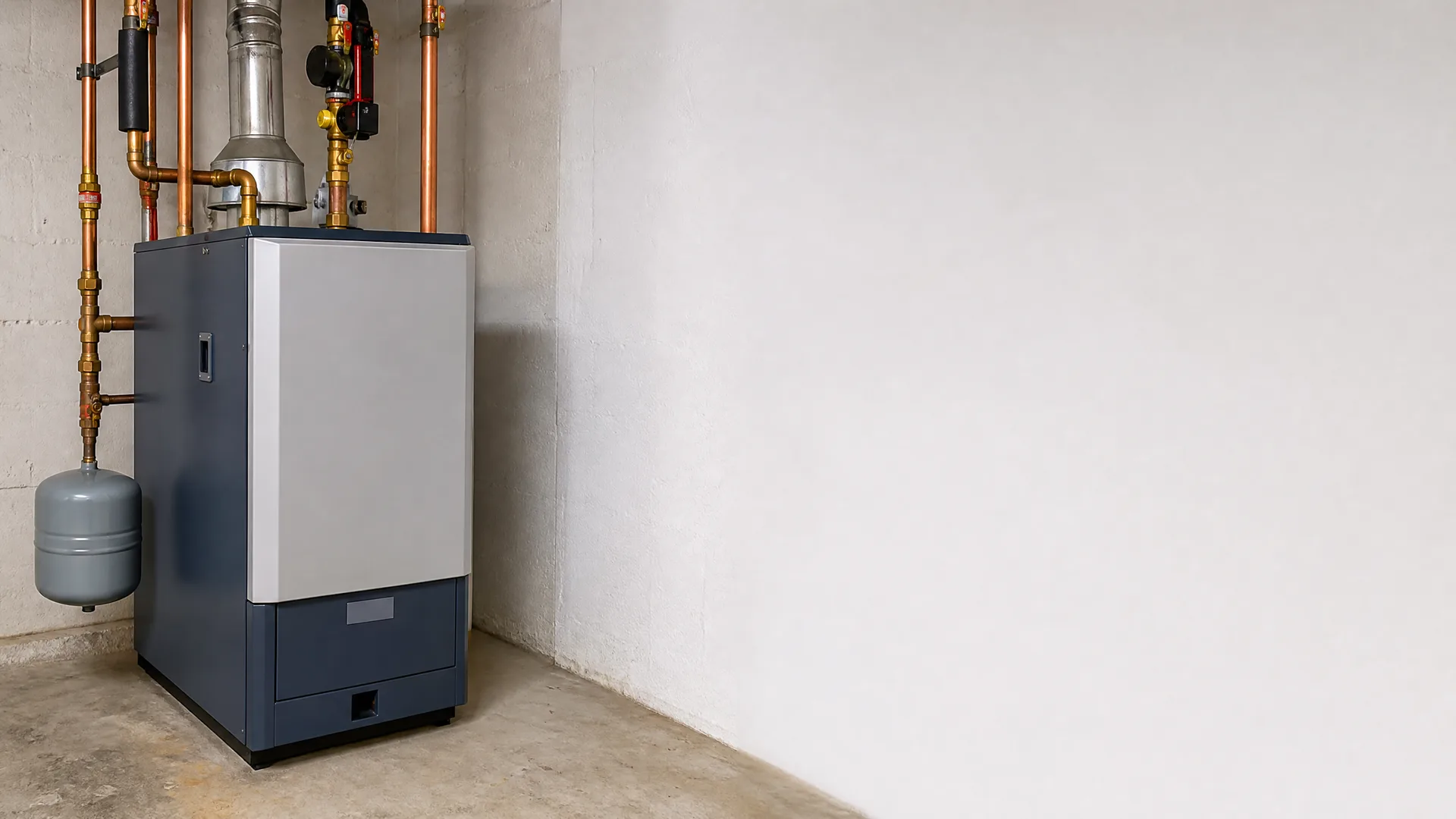
A standard boiler vents straight up through a metal chimney, because the exhaust stays hot enough to rise on its own. A condensing boiler can't use that chimney. The exhaust is cooler and has to be pushed out through a sidewall vent with a small fan. That means a contractor installing one has to run new PVC venting through an exterior wall, not just hook into what's already there. It's a bigger job than swapping one boiler for another.
What the condensate line does
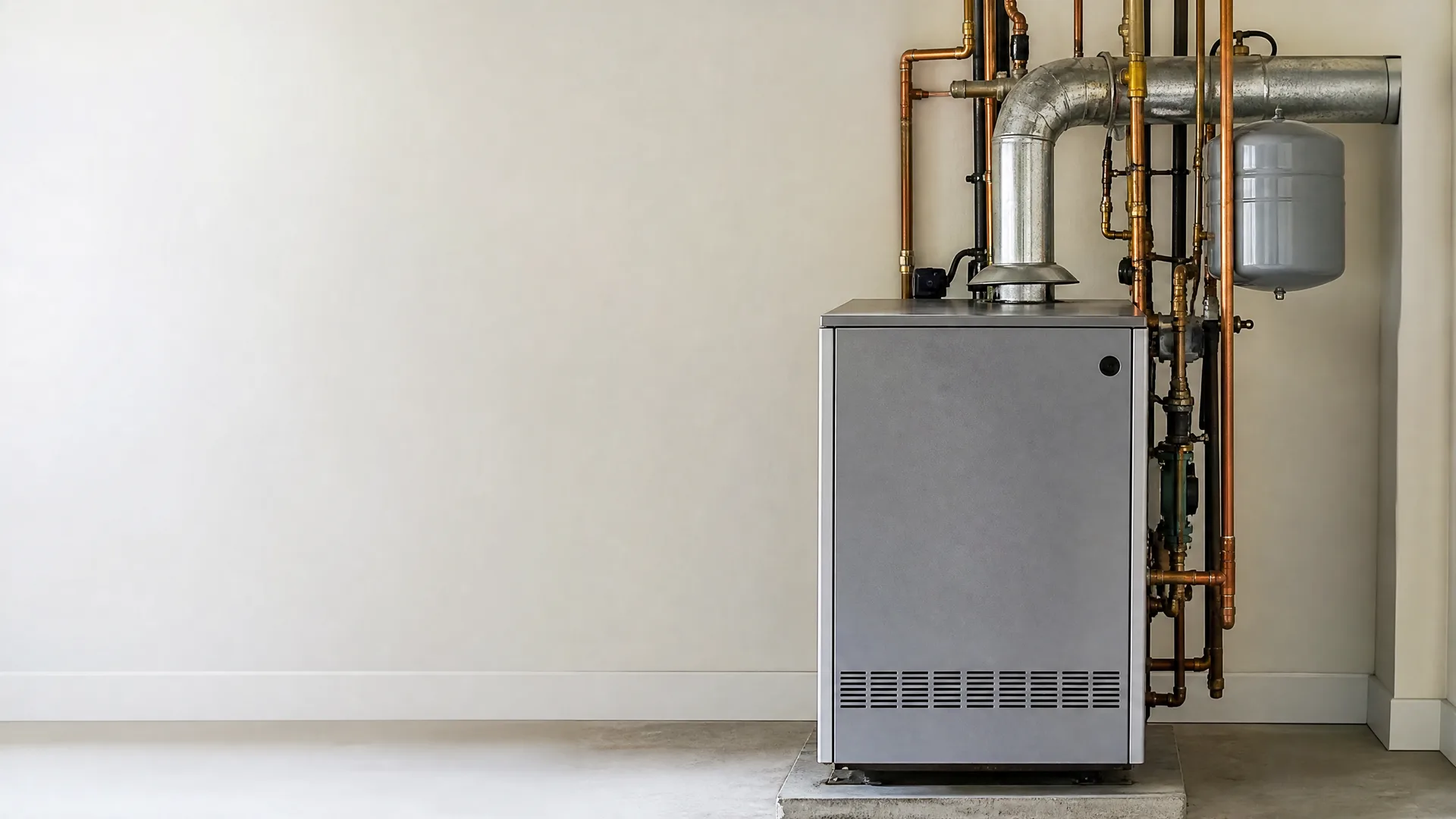
Once the exhaust cools enough to turn to liquid, that water has to go somewhere. A condensing boiler drains it through a small tube, usually into a floor drain or a condensate pump nearby. That water is mildly acidic, so the line and whatever it drains into need to hold up to it. If your basement doesn't already have a drain within reach, that's one more thing a contractor has to plan for before the install, not after.
Winter nights average 4°F statewide
At 4 below zero overnight, your boiler is running long stretches to hold the house, night after night through December, January and February. That kind of run time is what wears out an old heat exchanger or ignition system faster than the calendar alone would suggest.
NOAA nClimDiv 1991-2020 county normals weighted by homes

Keep it until it gives you a reason not to
If your boiler is heating the house fine, let it. A high-efficiency replacement earns its keep when the old unit is failing or already past 15 to 20 years, not as a bet against a gas bill that's already low in this state. That's the whole answer.
When it's time, the part worth getting right is the vent change and the sizing, done by someone who installs these regularly and knows what a North Dakota winter asks of one. That's one call instead of several, no repeating the same story to each company, no sorting through quotes that priced the job differently because nobody saw your house. A local contractor who works on boilers all season can tell you quickly whether yours is a keep or a replace, and if it's a replace, get the vent and the sizing done right the first time.


Boiler Installation
Skip calling around

- A local installer who puts in boilers gets your project.
- Get in touch with a local installer about a new boiler.

- Send the form and the search for an installer is over.
- Send the form and stop researching installers for the new boiler.

- Skip the round of in-home estimates for a new boiler.
- Describe your boiler job once, to one pro.

- Only one pro gets your request, so you hear from one company.
- Your request stays with one local pro.