





Repair or replace an old boiler in North Dakota

A local installer who puts in boilers gets your project.

Step 1 of 3: Equipment

A boiler past 15 years old is worth replacing if it needs a major repair like a cracked heat exchanger, or if your gas bills keep climbing even though the house feels the same. Most boilers run 15 to 20 years, and the last few of those years are when parts start failing one after another instead of all at once. A repair that fixes one problem now often just buys time before the next one shows up. Since gas heats most homes in North Dakota and your boiler runs hard from fall through spring, an old one working harder than it should costs you more every month it stays in. If yours is still under 15 years and this is its first real repair, fixing it is usually the right call. Past that, each repair is money toward a system that is still going to need replacing.

A gray-haired, bearded man in a dark coat dusted with snow stands smiling in a dimly lit room with a lamp, mirror, framed art, and a sofa in the background.
An older man with white hair and a beard, wearing a dark snow-dusted coat and scarf, stands in a warmly lit interior hallway with a framed landscape picture, a table lamp and a potted plant behind him, and a snowy view through a window at left.
An older man in a dark snow-flecked overcoat and scarf stands smiling in a warmly lit home entryway, with a glass-paned door showing darkness outside and a lamp-lit room visible through a doorway behind him.
An older man with gray hair and a beard, wearing a dark snow-dusted jacket and scarf, stands smiling in a warmly lit interior hallway with a lit table lamp, a vase of dried branches, and a framed picture in the background.

Repair the Boiler or Replace It

Repair

  • A cracked seal or a failed circulator pump is a straightforward fix and doesn't call the whole boiler's life into question.
  • If the boiler is under 15 years old, a repair usually makes more sense than starting over with a new install.
  • Parts like igniters, thermocouples, and pumps can be swapped without touching the heat exchanger itself.
  • If this is the first major repair the boiler has needed, that's a sign the rest of it is still sound.
  • North Dakota winters put a lot of hours on a boiler, but a well-maintained one can take a repair or two in stride.

Replace

  • A cracked heat exchanger isn't a repairable part, it means the boiler itself is done.
  • Once a boiler passes 15 years, each repair is a bet that the next part won't fail a few months later.
  • Gas bills that keep climbing with no change in how the house is heated usually point to a boiler losing efficiency, not a thermostat problem.
  • A new boiler install means dealing with venting and gas line work that an aging system may not have needed when it went in.
  • Replacing now means one project instead of a string of repairs spread across the next few winters.
  1. A contractor checks your boiler's age, size, and venting setup.

  2. They size the replacement to your home's actual heat loss.

  3. Old boiler, gas line, and vent connections are disconnected.

  4. New boiler goes in, piped, wired, and vented to code.

How long does it take to replace a boiler?

Once you've decided a replacement makes sense, the next thing you want to know is how much of your day it eats up, and whether you'll be without heat overnight in the middle of a North Dakota winter. That matters more here than almost anywhere, since a gap in heat isn't just an inconvenience when it's below zero outside.

Most boiler replacements take one day

A straightforward swap, same fuel type and similar size, usually runs a single day from disconnect to startup. The contractor drains the old boiler, pulls it out, sets the new one, and reconnects the gas line, vent, and piping before testing it under heat. It takes longer if the venting has to be rerouted, if the gas line needs upsizing, or if the new boiler is a different type than the old one, like swapping a standard unit for a high-efficiency condensing model that vents differently. Since most homes here heat with gas, that venting work is the detail that most often adds a day. Ask the contractor upfront whether your setup is a same-day job or a two-day one.

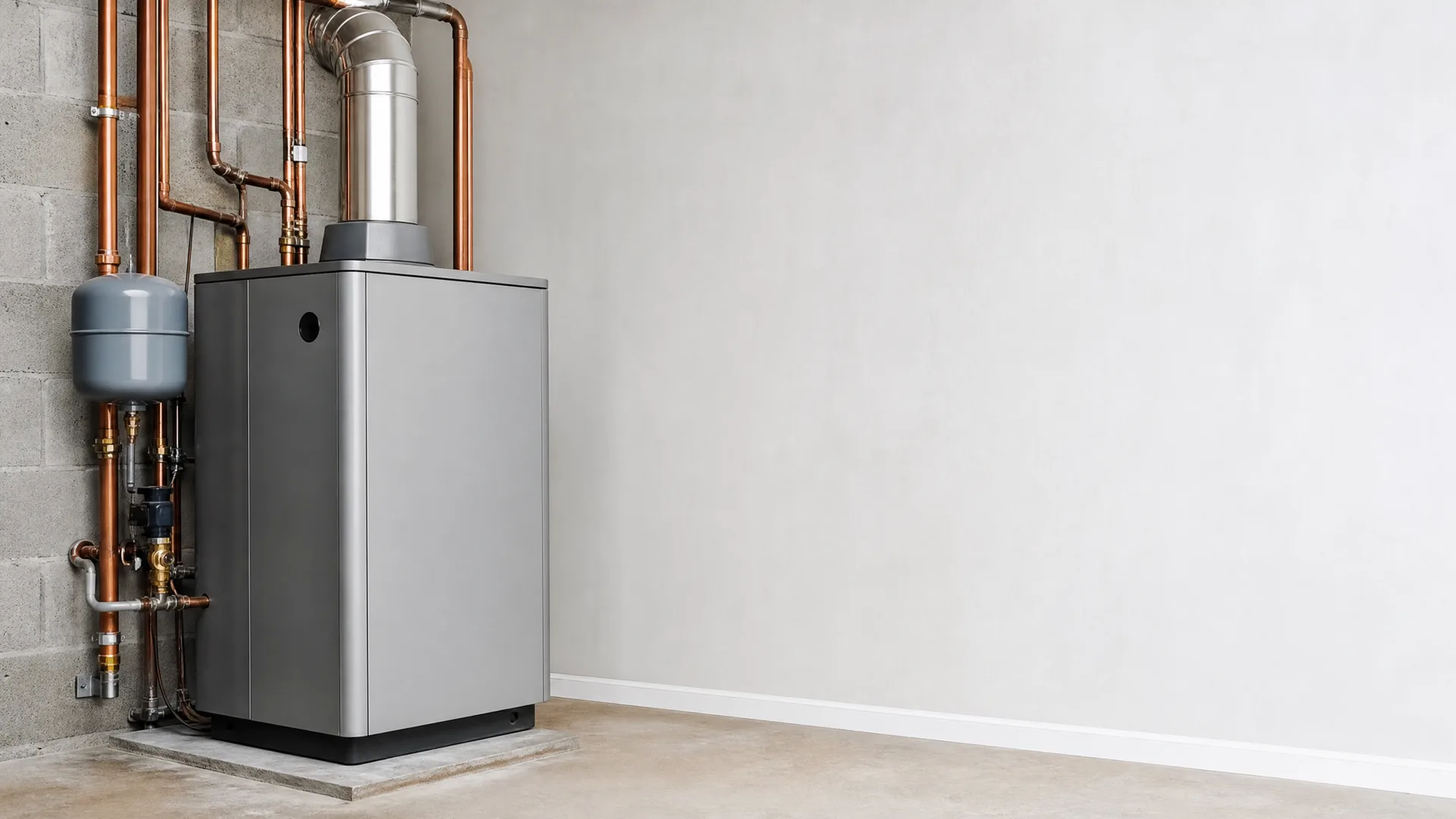
A grey floor-standing boiler with a metal flue and copper pipework and an expansion vessel stands against a concrete block wall beside a plain light-coloured wall.

Cast iron versus steel heat exchangers

Cast iron boilers hold heat longer and resist corrosion better than steel, which is part of why older units in North Dakota often lasted two decades or more. Steel heats up faster but corrodes sooner. A contractor replacing your boiler will usually match what's there unless your gas lines or venting call for a change, since swapping materials can mean more than a straight swap at the connections.

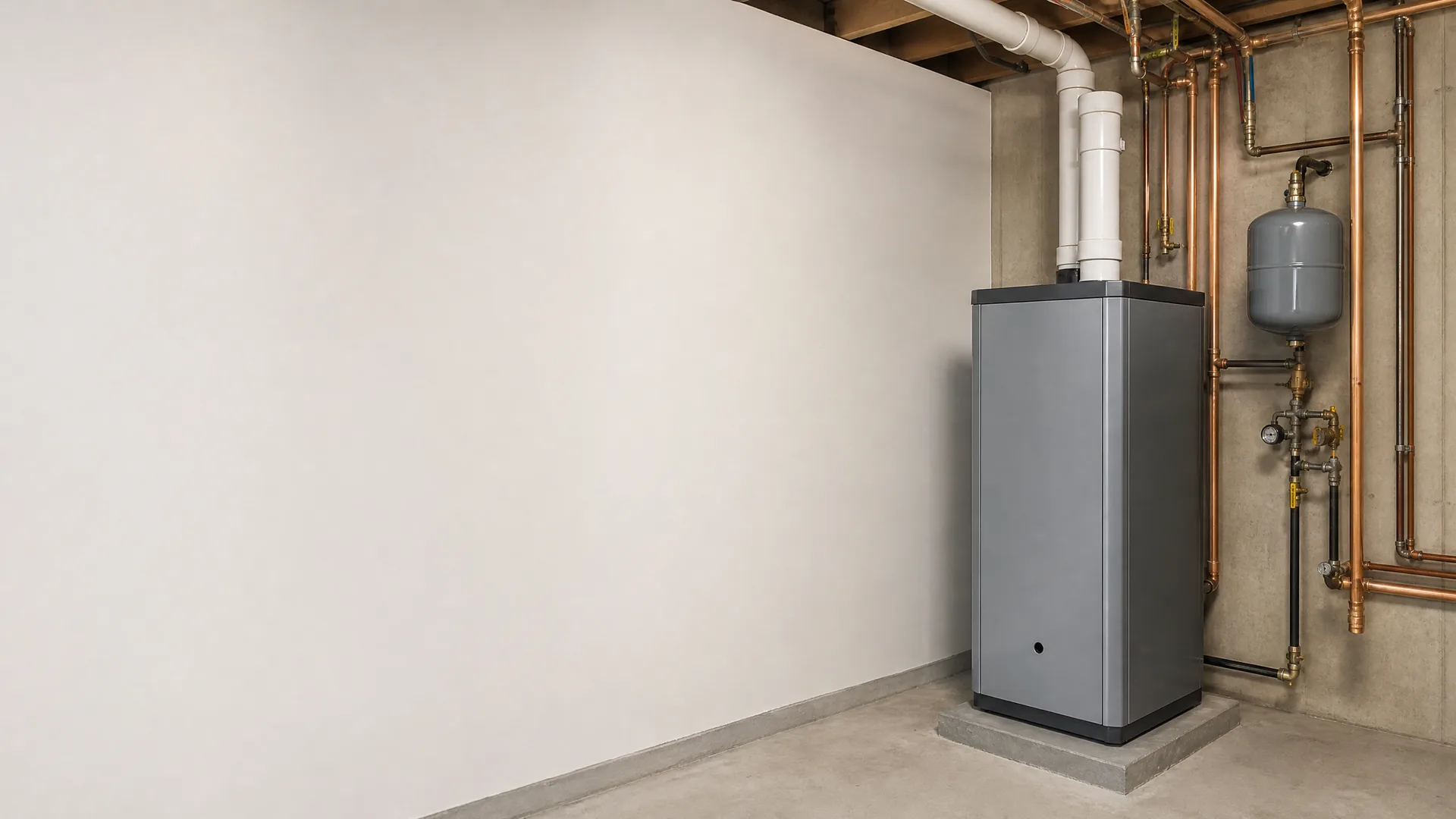
A gray boiler unit on a concrete pad in a basement corner, with white PVC flue pipes, copper piping, and a gray expansion tank on the wall behind it.

Why efficiency ratings differ

A boiler's AFUE rating tells you how much of the gas it burns turns into heat for your house instead of going out the flue. An older standing pilot boiler might run in the 60s or low 70s. A current condensing model can run in the 90s, which matters most over a North Dakota winter when the boiler runs for months straight rather than a few weeks here and there.

Why does the boiler sound and smell different lately

A boiler nearing the end usually tells you before it quits outright. Listen for a knocking or banging in the pipes, or a kettling sound from the heat exchanger as mineral buildup makes it work harder to heat the water. Watch for water pooling at the base, which usually means a crack or a failed seal, not something to wait out. A sharp or sooty smell when it fires points to incomplete combustion, and in an older unit with a cracked heat exchanger, that can mean carbon monoxide getting into the house instead of going out the vent. If one or two rooms stay cold while the rest of the house is fine, the circulator or the zone valves may be going. None of these mean the boiler is done, but each one is worth a contractor's look before a cold snap finds out first.

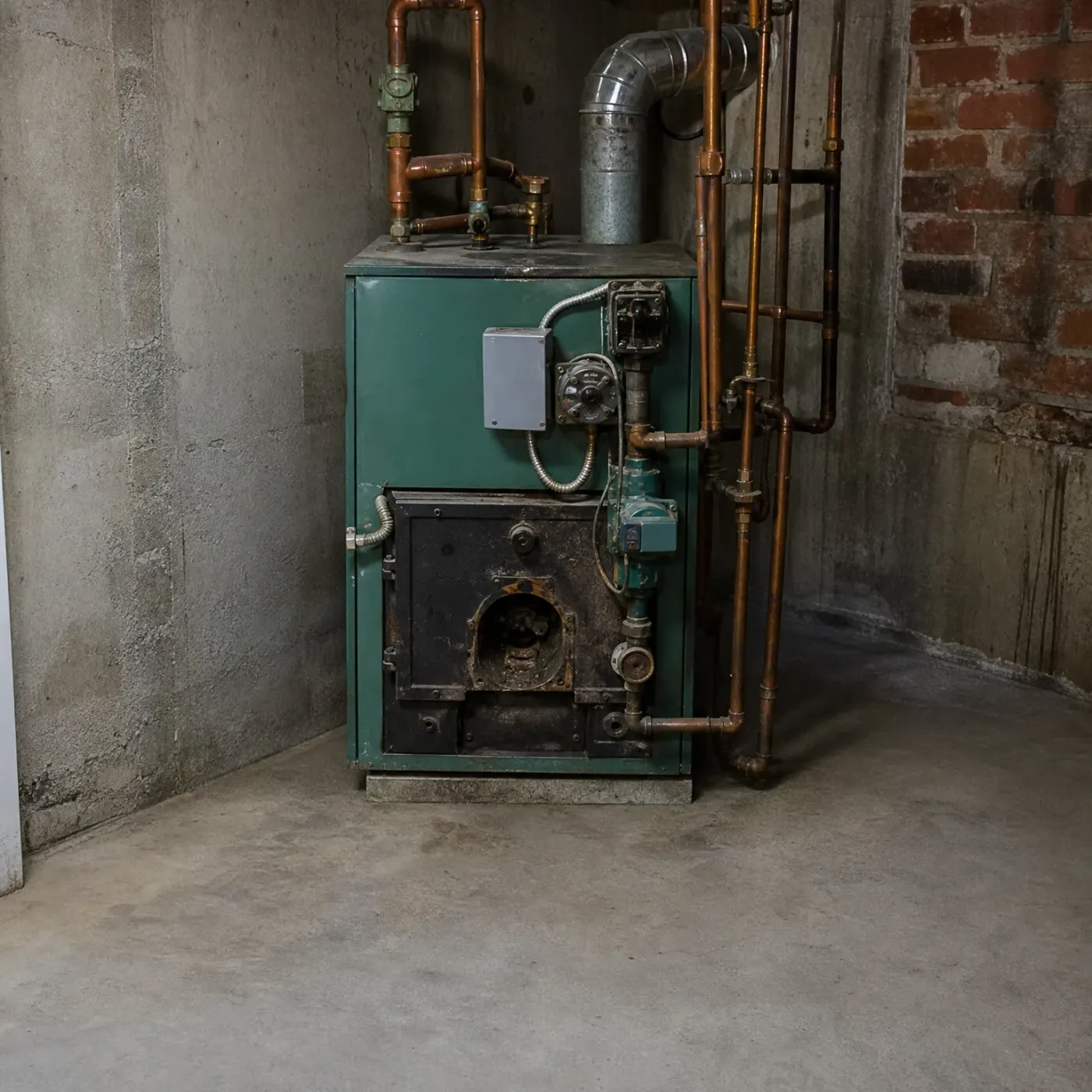
A green cast-iron boiler with a soot-stained front door, copper piping and a metal flue, standing on a concrete floor in a basement corner with concrete and brick walls.
Before you get your boiler installation
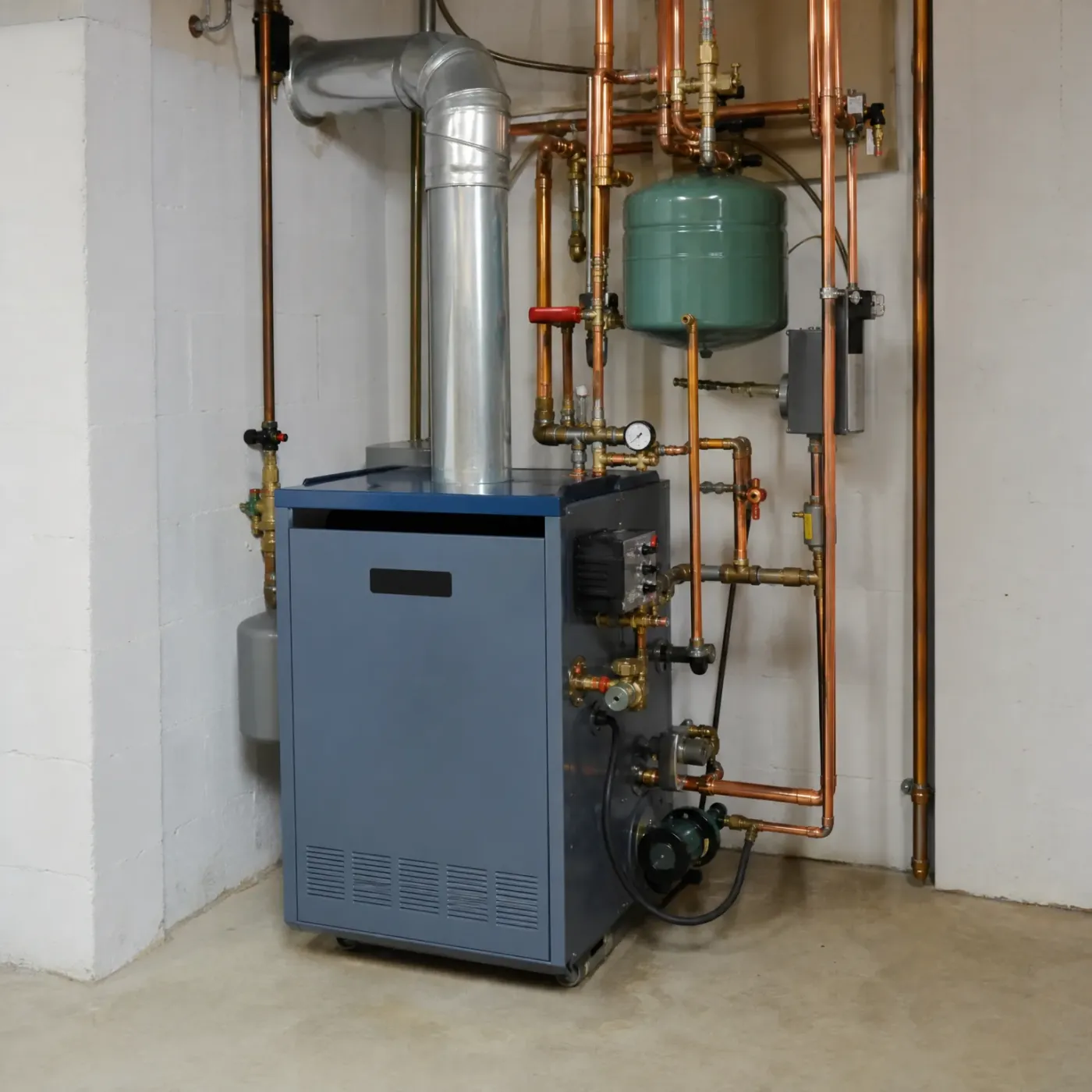
A blue-gray residential boiler in a basement corner, connected to copper piping, a green expansion tank, a circulator pump, gauges, and a metal flue pipe against painted block walls.
After you get your boiler installation

The right pro for this job

A North Dakota winter isn't the time to be stuck guessing about your boiler. Once you know it needs replacing, the work left is finding someone who'll actually show up, size the unit right, and vent it to code in a house that's heated by gas like most around here. That usually means calling a few numbers off a search page, explaining the same thing about your old boiler each time, then waiting on quotes to compare while your house keeps losing heat efficiency by the day. Handing that off means you stop making those calls and stop repeating yourself to every contractor who picks up. You already know what's wrong or what a contractor told you on the last repair call. Getting matched with someone who takes that information and gets in touch with you directly is what's left standing between you and a boiler that works through January without you worrying about it. Your winters here are long enough without spending part of one chasing down a quote.

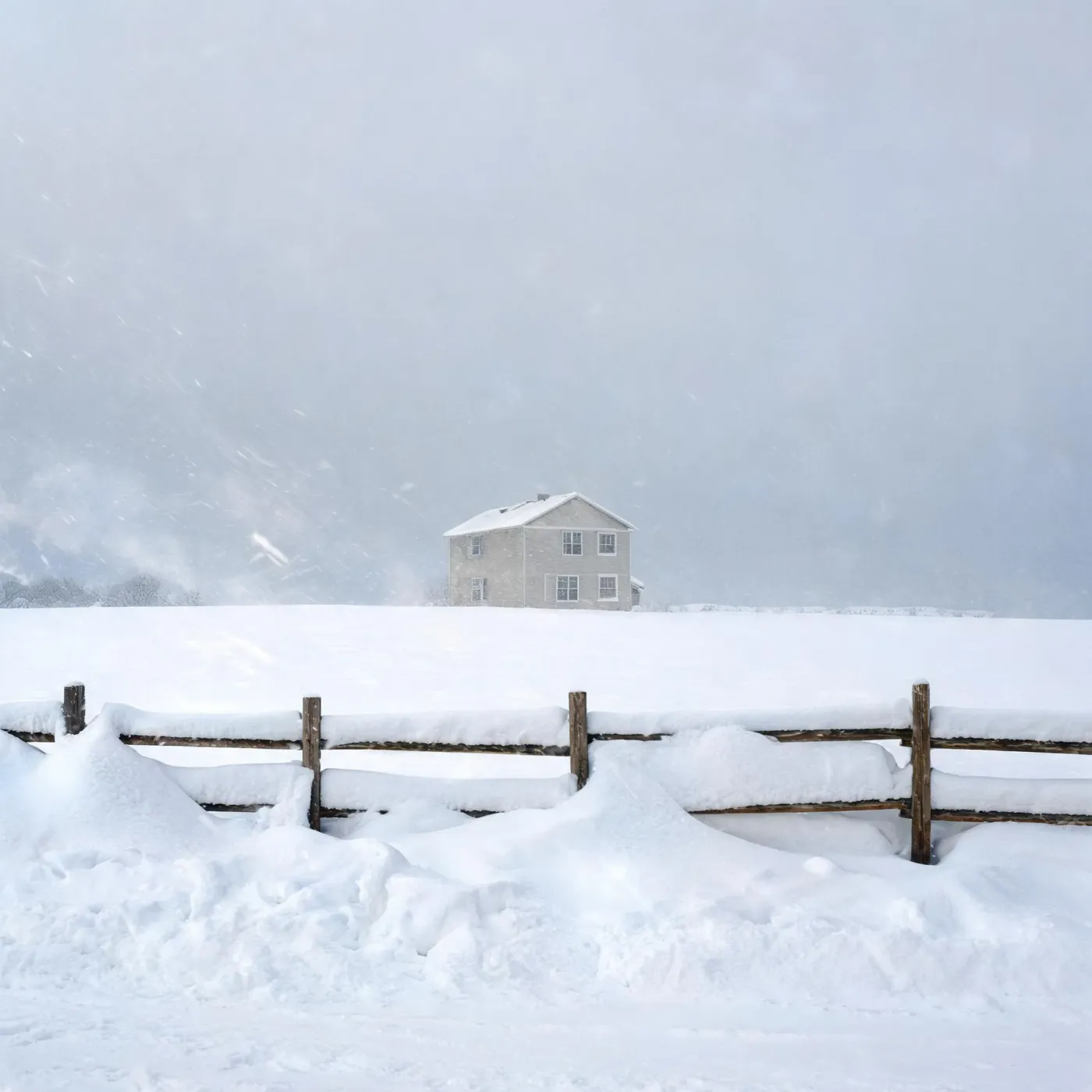
A two-story light-colored house with a snow-covered roof stands on a snowy rise behind a partly buried wooden rail fence during falling snow and low visibility.

Winter nights statewide average 4°F, according to NOAA climate data, and North Dakota keeps that cold from late fall into early spring. That's the stretch your boiler can't cycle down. It's firing through the night to keep the house above freezing, not just comfortable, and an old heat exchanger or a worn circulator pump feels that strain most when it's running longest. You'll notice it as rooms that used to even out taking longer to warm, or the boiler running in longer stretches than it used to. A unit that's aging out shows it first on the coldest nights, not the mild ones.

NOAA nClimDiv 1991-2020 county normals weighted by homes

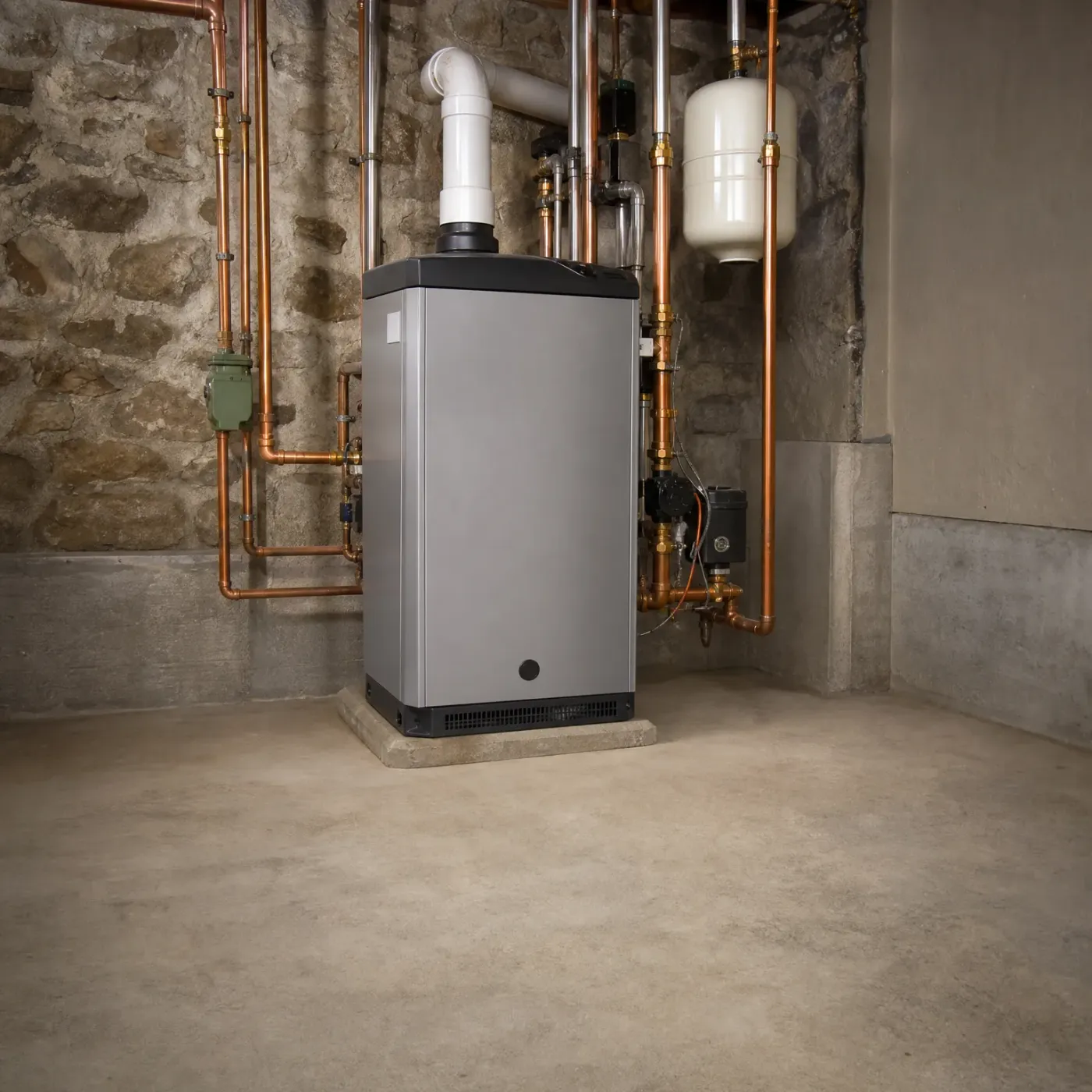
A gray floor-standing boiler on a concrete pad in a basement, connected to copper pipes, a white expansion tank, and a white PVC vent against a stone and concrete wall.
A boiler running right like this holds steady pressure and clean, tight joints, with no rust on the cast iron or pooling at the base.
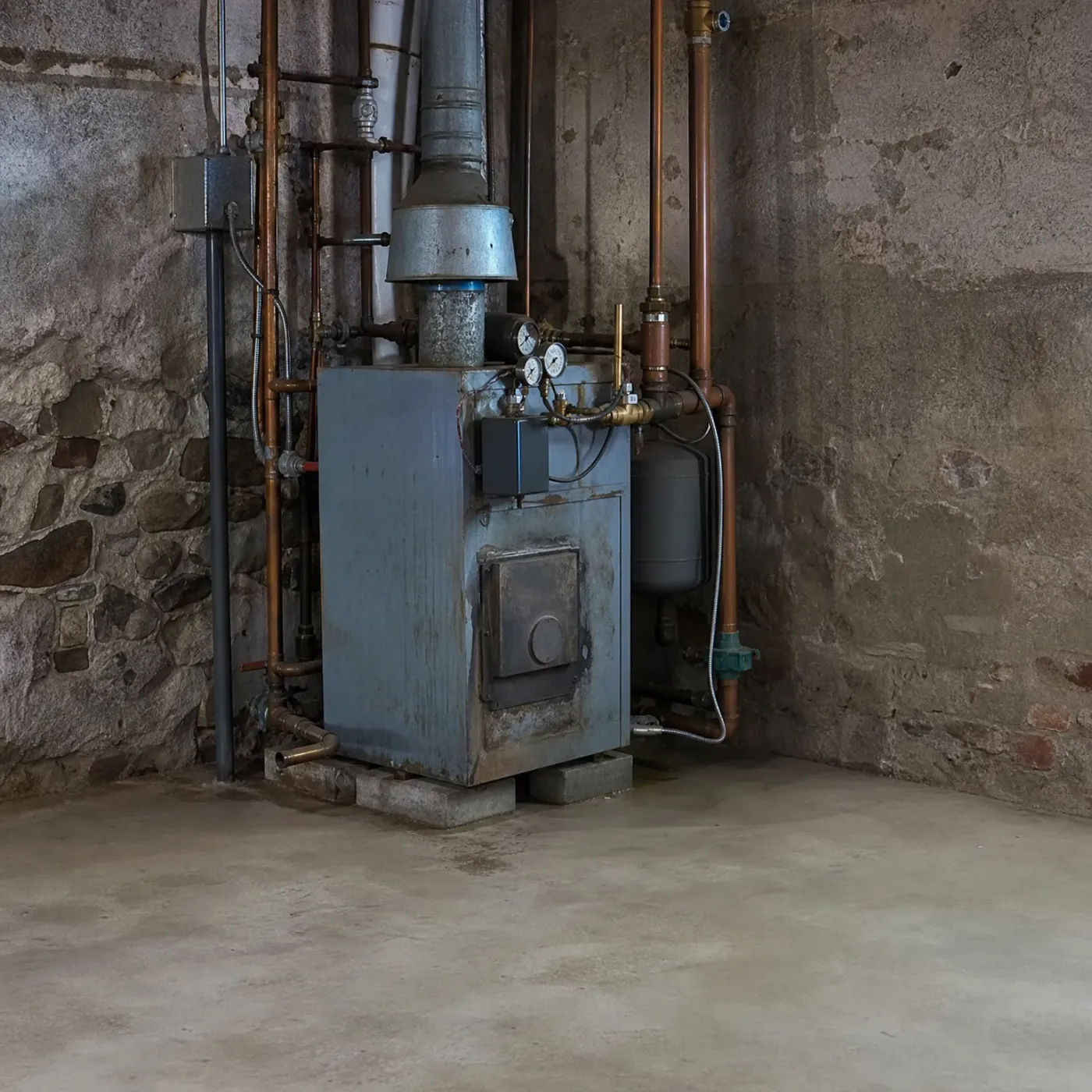
An older gray boiler with a metal flue, copper piping, pressure gauges and an expansion tank sits on concrete blocks in a basement corner with stone and concrete walls.
A setup like this, with an old flue and aging gauges, is the kind a contractor flags for replacement rather than another patch.

Winter nights average 4°F statewide

At 4 below zero overnight, your boiler is running most of the night just to hold the house steady, not cycling on and off like it would in milder weather. A boiler already struggling shows it fastest on nights like these, long before the gas bill or the knocking in the pipes tells you.

NOAA nClimDiv 1991-2020 county normals weighted by homes

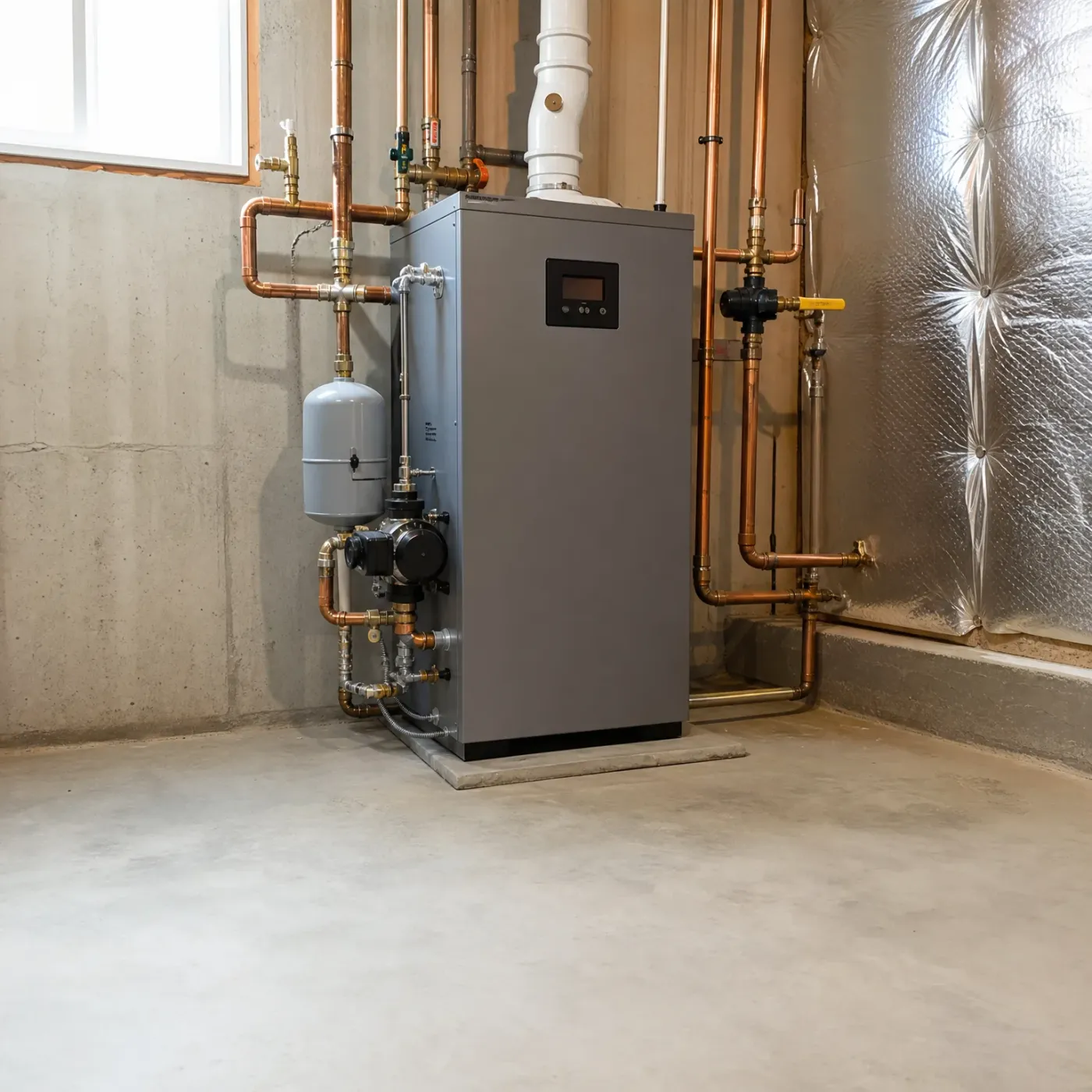
A gray boiler unit with a digital display stands on a concrete basement floor, connected to copper piping, a gas valve, a circulator pump and an expansion tank, beside a concrete wall and foil-faced insulation.

Running clean

Tight copper lines, a steady expansion tank, and a clean flue venting straight out through PVC. No rust on the fittings, no corrosion at the seams. A boiler set up like this is holding pressure the way it should, and a contractor looking at this setup has little reason to recommend anything but regular service.
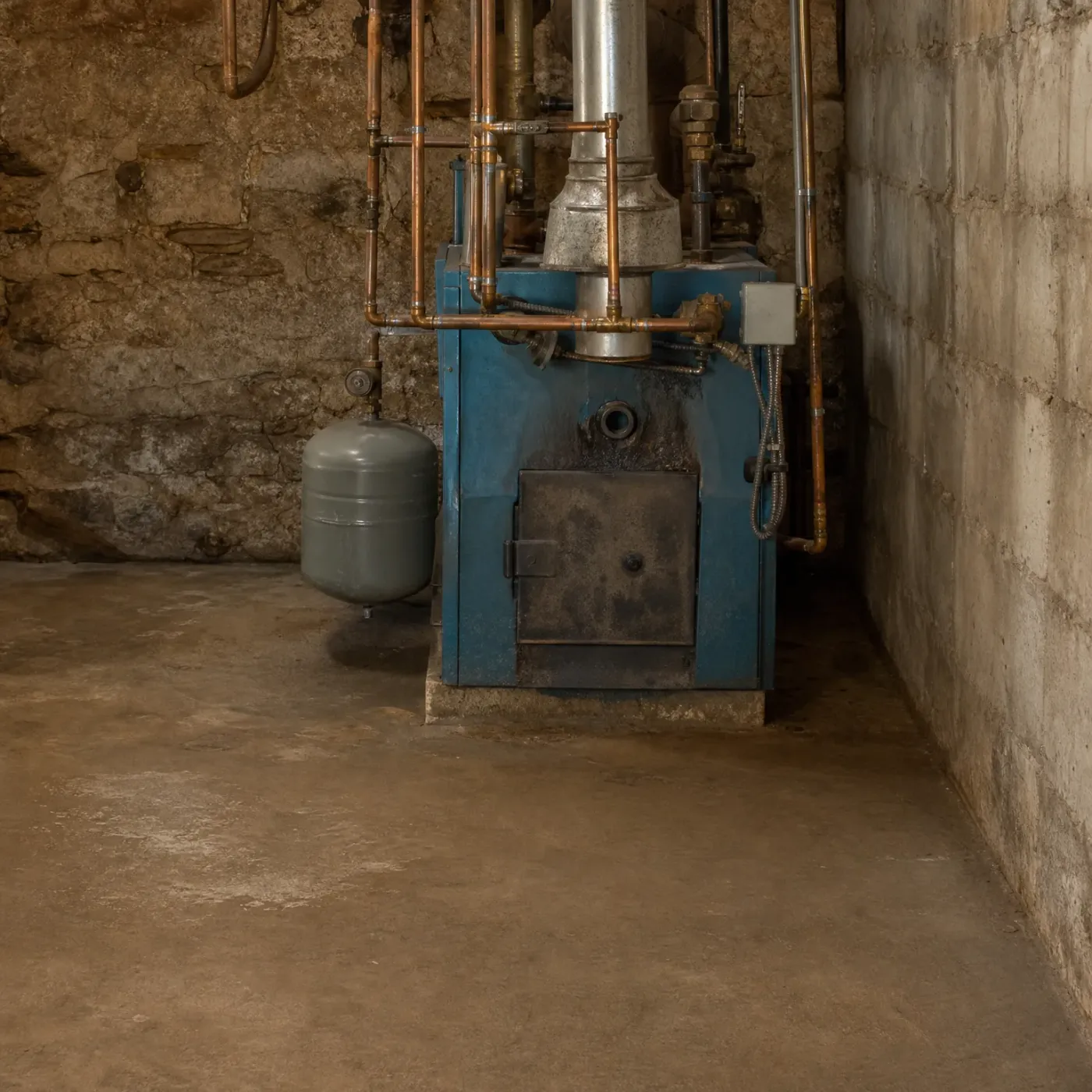

A blue cast-iron boiler with a metal flue pipe and copper piping stands against a stone and concrete block basement wall beside a gray expansion tank on a bare concrete floor.

Showing its age

That corroded access door and worn cast-iron shell have seen a lot of winters. Stone foundation walls like these often sit under older boilers that have been running long past their expected years. Corrosion at the front panel like this is usually a sign the inside isn't holding up any better than the outside.

A woman stands in the open doorway of a white stucco house holding the dark door, facing a man in a black cap and shirt seen from behind in the blurred foreground, with a potted flowering plant beside the entry.

An old boiler in a North Dakota winter isn't a guessing game

By now you know what to look for: the age on the tag, the sound it makes at 2 a.m., whether the last repair was a cracked seal or a cracked heat exchanger. A boiler past 15 years that needs a major part is one most contractors would tell you to replace rather than patch again. One that's younger and just needs a pump or a seal is usually worth fixing.

What's left isn't figuring out whether to repair or replace. It's finding a contractor who'll size the new unit to your house, vent it to code, and show up when they say they will, without you calling around to three different companies and explaining the same knock in the pipes each time. That part of it is the one you can hand off.

A wooden table holding a stone vase with a bare branch, two stacked books and a small dark bowl, beside a window with green foliage outside and a sofa in the dim background.
A woman wrapped in a cream textured blanket sits in an armchair beside a lit lamp and a dark window, with an open book in the foreground.
An older woman with short gray hair in a cream cable-knit turtleneck sweater smiles while looking to the side in a wooden kitchen, with a round loaf of bread on a board in the foreground and a lit candle by a dark window.

Matched to your boiler job

A boiler installation means days of work in your house, and you want it sized right the first time, vented to code, piped correctly for a North Dakota winter. What you don't have to do is track down who's free, explain the same thing to four different companies, or sort through quotes you can't compare. Answer a few questions and a contractor who installs boilers in your area gets in touch. You still decide who does the work, but you skip the calling around.

Get matched

Skip collecting and comparing quotes for the new boiler.

Sending the form costs nothing.


