Why one radiator stays cold in a North Dakota winter

Step 1 of 3: Equipment

Why is one radiator in my house cold this winter?

A North Dakota winter doesn't leave much room for a radiator that won't warm up. You've checked that the valve is open and the thermostat is calling for heat, but that one room stays cold while the rest of the house is fine. You want to know what's keeping that radiator from doing its job before the cold really sets in.

Air is trapped inside it, or the valve isn't letting water through

A boiler system moves hot water through each radiator, and if air gets into the line instead, that air sits at the top where it blocks the water behind it. That radiator stays cold or only warms at the bottom while every other one heats fine. The other common cause is the valve itself, either the one that lets water in or the trap that lets steam through on an older system. If it's stuck or full of mineral buildup, water can't get where it needs to go. Either way, the rest of the system keeps working, so the problem is isolated to that radiator and that room, not the boiler itself.

A woman with dark hair in a bun wearing a cream knit sweater sits on a gray sofa in a bright living room, looking off to the side.
A woman wrapped in a knit blanket sits on a gray sofa in a living room, looking toward a bright window with houseplants and an armchair in the background.
A woman in a gray cowl-neck sweater sits on a light sofa with cushions, smiling and looking to the side, with a kitchen and window visible behind her.
A woman with dark hair in a bun, wearing a light linen shirt, sits on a sofa and looks to the side, with a window, houseplants and a kitchen with pendant lights blurred behind her.

That cold radiator usually comes down to trapped air or a bad valve, and either one leaves that room doing all the work of staying warm with no help from the heating system. If it's air in the line, the room nearest the boiler often stays fine while the farthest one goes cold first, since trapped air tends to collect at the ends of the loop. Leave it alone through a North Dakota winter and that room just gets colder as the rest of the house holds steady, which means space heaters running longer, higher spots on the thermostat to compensate, and a bigger gas bill for heat that still isn't reaching where you need it. If anyone in that room is older, very young, or sensitive to cold, that gap matters more than the thermostat number suggests. A boiler tech can bleed the radiator, check the valve, and tell you whether the problem stops there or points to something further back in the system. Instead of calling around to find someone who works on boilers, you can get matched with a contractor who handles this and have them reach out to you directly.

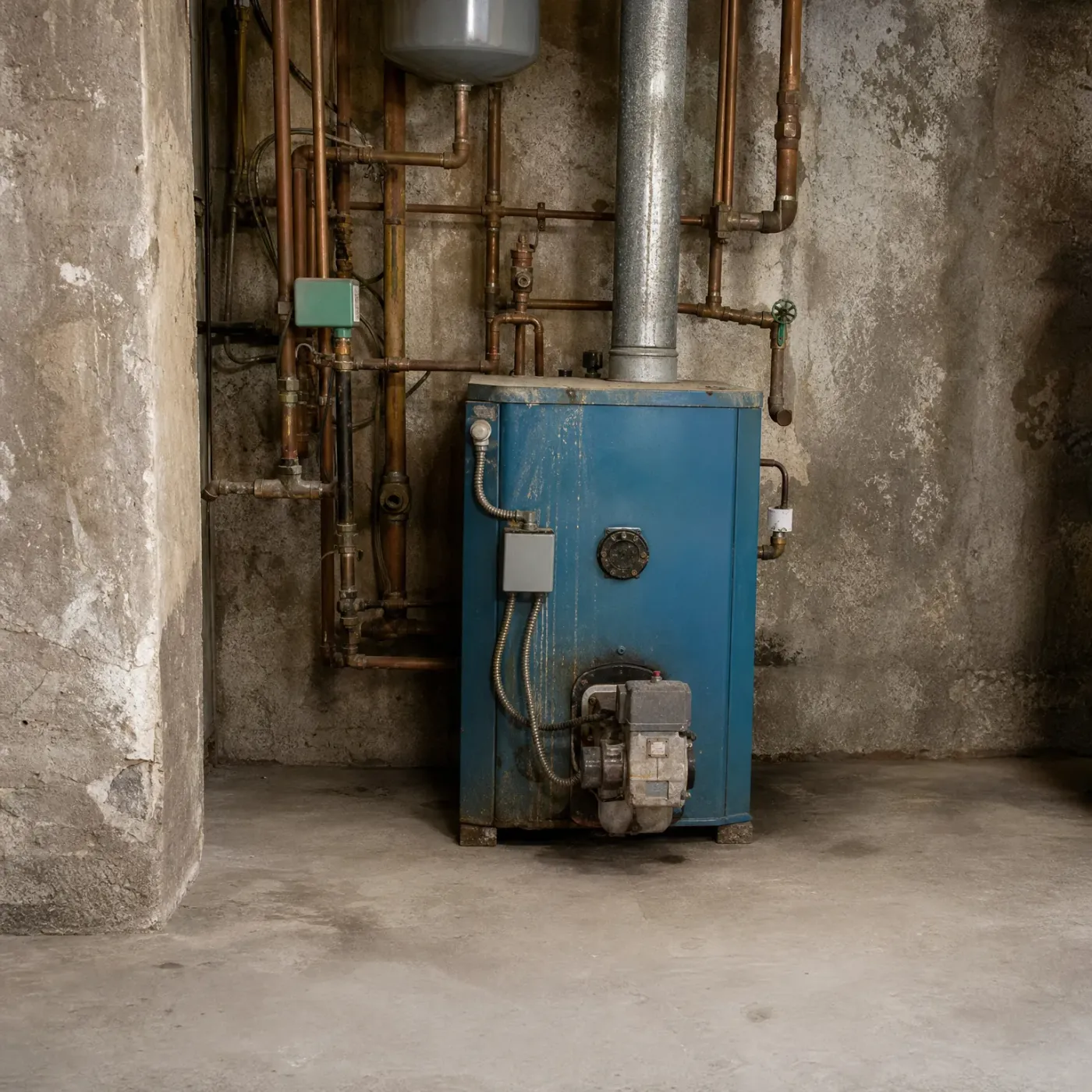
A blue oil-fired boiler with a burner unit and pressure gauge stands in a concrete basement corner, connected to copper pipes and a metal flue.
Before you get your boiler repair
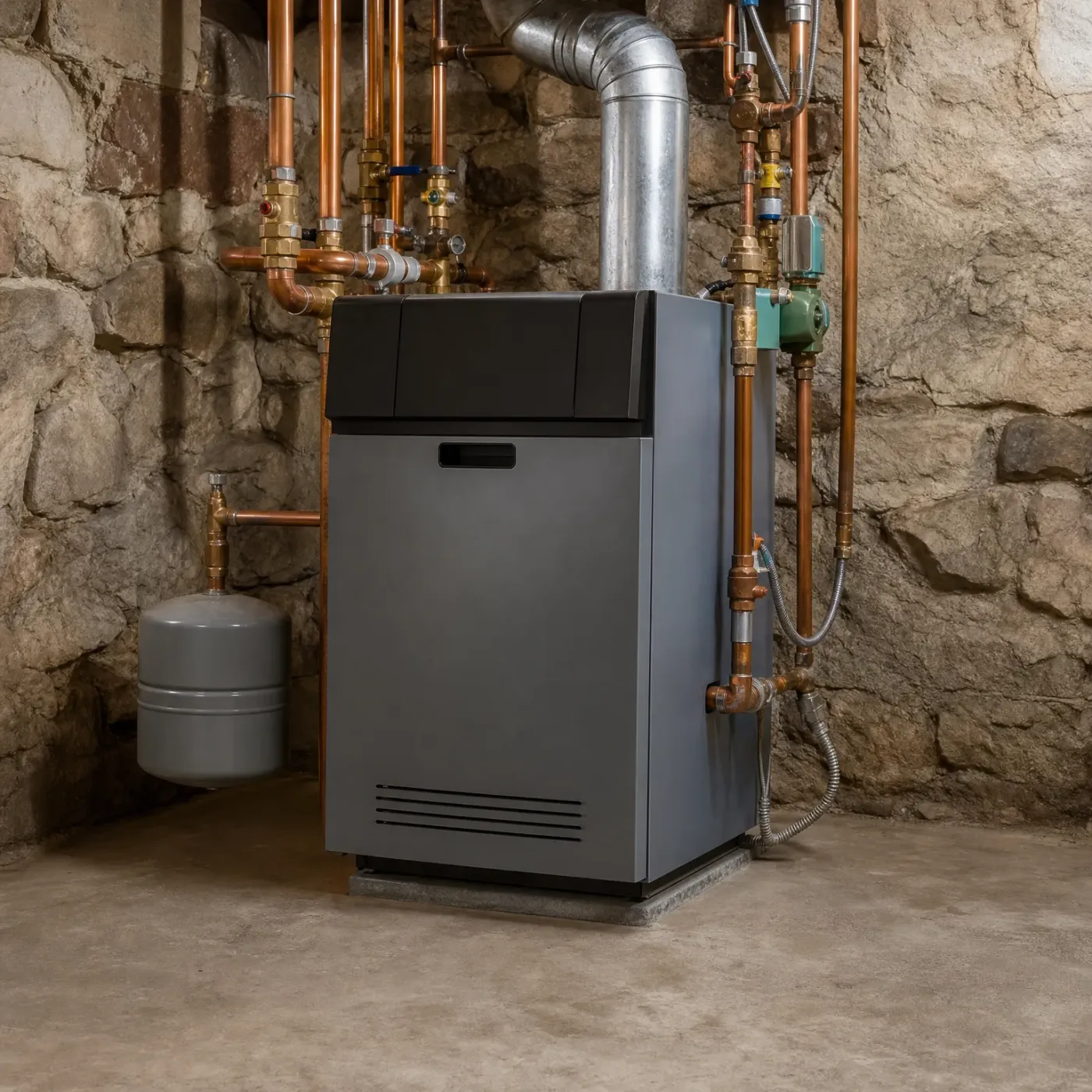
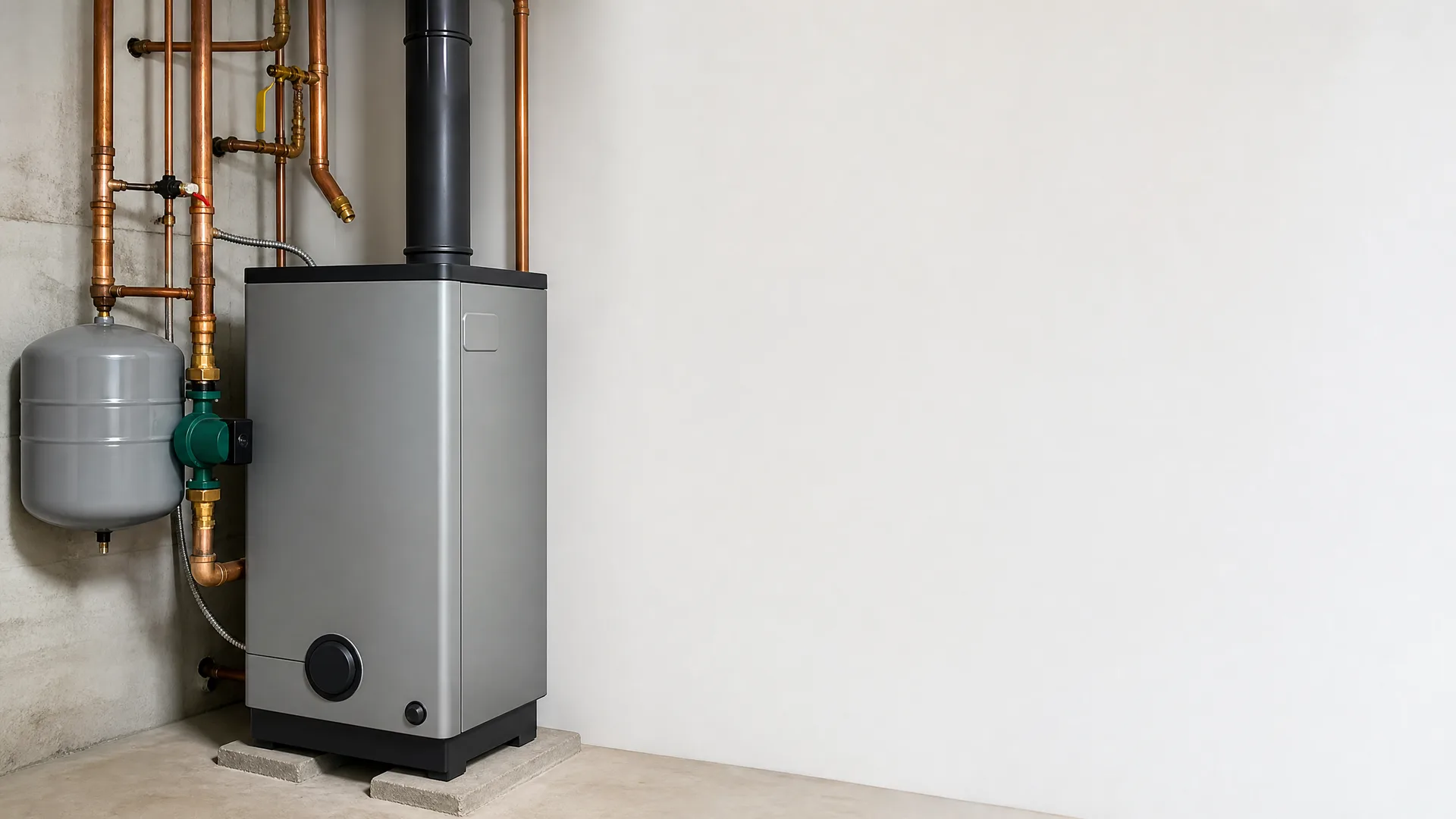
A gray floor-standing boiler with a metal flue stands against a concrete block wall, connected to copper pipes, brass valves and a gray expansion tank, on a bare concrete floor.
After you get your boiler repair

A boiler system pushes hot water through every radiator in a loop, so one cold radiator in a house full of warm ones points to something local to that line, not a problem with the boiler itself.

That's good news in a North Dakota winter. It usually means a contractor can bleed the air out or replace the one valve instead of touching the boiler at all.

An older woman with gray hair in a bun and glasses, wearing a beige knit sweater, smiles while looking to the side in a warmly lit kitchen, with a loaf of bread on the counter in the foreground and a snowy scene outside the window.
A woman and a child wrapped together in a thick knitted blanket on a sofa, both with eyes closed, with a lit table lamp and houseplant in the dim background.
  1. Air enters the line and collects at the radiator's high point.

  2. Trapped air pushes hot water back, so heat can't reach that radiator.

  3. A technician opens the bleed valve to let the air escape.

  4. Water fills the space the air left, and the radiator heats again.

A gray residential boiler on a concrete pad in a basement with stone walls, connected to copper piping, brass valves, a circulator pump, an expansion tank, and a metal flue duct.
A boiler and its full loop of copper pipe and valves, each radiator in the house drawing off the same system.
A blue cabinet boiler with a metal flue pipe and copper piping stands against a bare concrete wall in a basement with a concrete floor.
One cold radiator in a working system like this is a local problem, not a sign the boiler itself is failing.
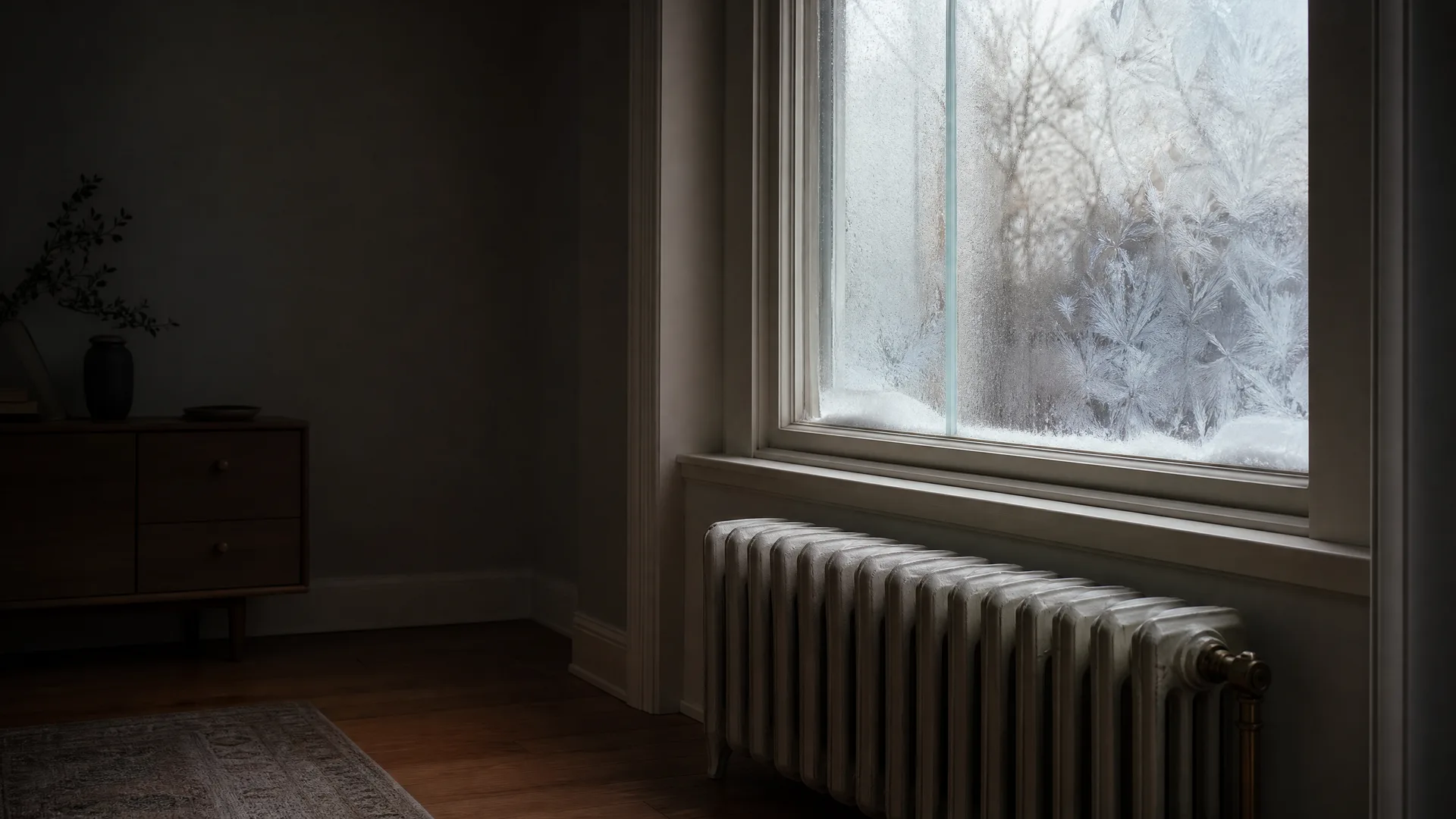
A cast-iron column radiator beneath a frost-covered window in a dim room, with a wooden sideboard, vase of dried branches, wood floor and rug on the left.

You walk into the living room before anyone else is up, and the cold hits your feet first. The radiator under the window sits dark and silent while frost covers the inside of the glass. You put a hand on the cast iron anyway, hoping you're wrong. You're not. Outside it's still dark, deep into a North Dakota January, and the rest of the house ticks along warm. Just this one room holds the cold, like it's been cut off from everything else. You pull a blanket off the couch and drape it over the register, then head to check the boiler, already knowing it's probably fine.


Matched to your boiler job

Describe what your boiler is doing once, in one form.

It costs nothing to send, and you don't have to hire anyone.

A dark gray floor-standing boiler on a concrete pad in a basement, surrounded by copper piping, brass valves, a gray expansion tank, a circulator pump, and a metal flue pipe against concrete block walls.

Boiler running clean

This is a loop doing its job. Water moves from the boiler through every radiator and back, each room pulling its share of heat off the same line. A system like this still needs a technician to bleed a line or replace a stuck valve when one radiator falls behind.

A blue boiler on a raised concrete pad in a basement corner, with copper and steel pipes, a gauge cluster, an expansion tank, and a metal flue running up the bare concrete walls.

Boiler losing ground

Bare concrete, an aging flue, pipes that have carried water for years without anyone checking them. A boiler like this is more likely to trap air or seize a valve, and once one radiator goes cold, the rest of the loop is working harder to make up for it.

Winter nights average 4°F statewide

On a January night here, the air outside your window is sitting at 4°F on average. That's the load your boiler is working against all night, pushing hot water to every radiator in the house. One radiator that can't get its share of that heat is a room with no real defense left against a North Dakota night.

NOAA nClimDiv 1991-2020 county normals weighted by homes

A gray floor-standing boiler with a black flue pipe stands on concrete blocks in a corner, connected to copper pipes, a green circulation pump, and a gray expansion tank on the wall.

Living with the cold radiator

Right now that room is on its own. Space heaters running, the door shut to keep what warmth it has from leaking out, maybe a mattress moved to another bedroom for the kids. You're watching the power bill creep up from the space heater while the boiler still burns gas heating radiators that don't need the help. Every cold morning you're back to checking that valve again, hoping it fixed itself overnight. It didn't.

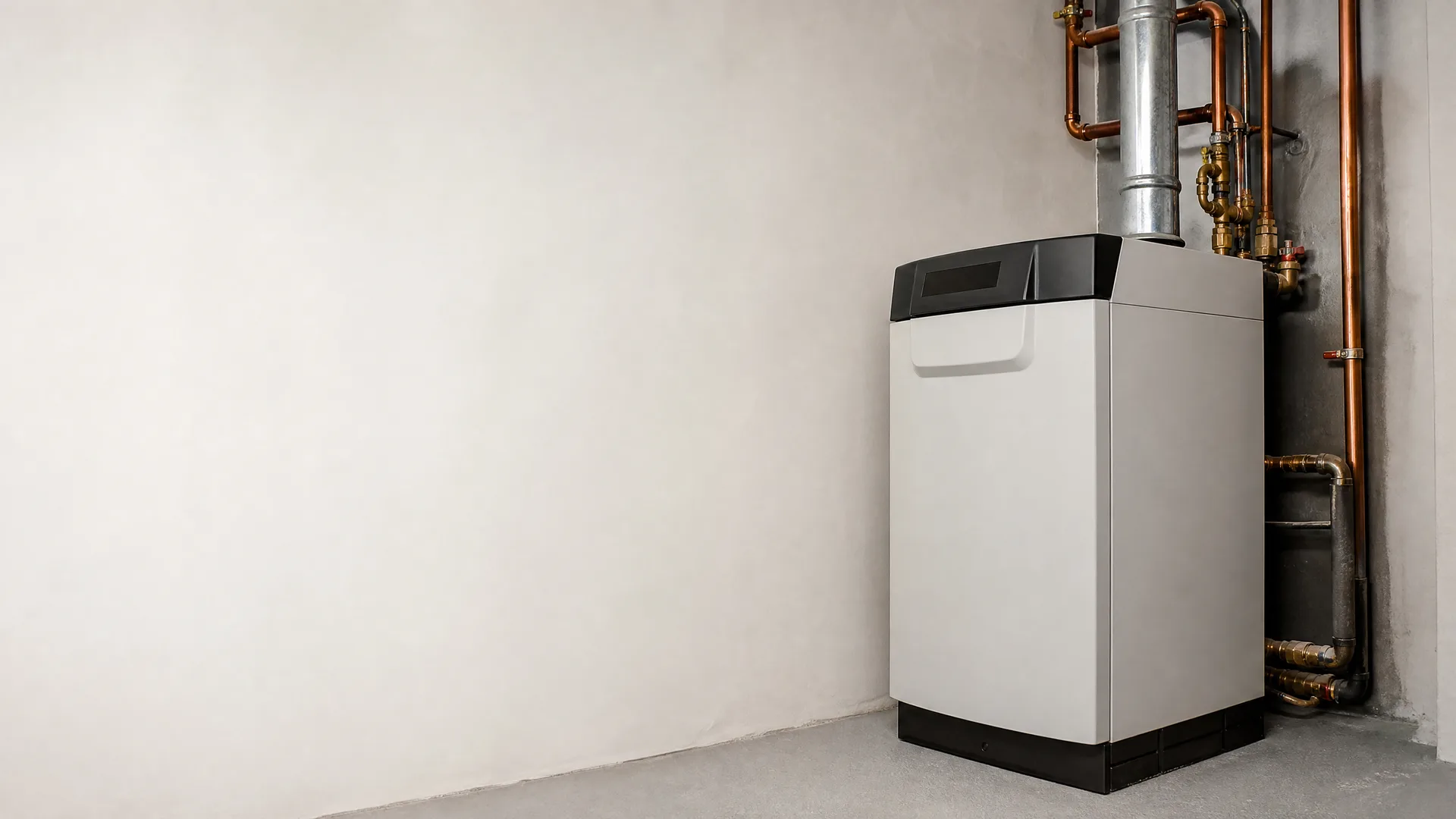
A white and black floor-standing boiler in the corner of a bare plastered room, with copper and metal pipes running up the wall behind it.

Getting it looked at

You could spend an afternoon calling around, explaining the same thing to three different shops, then sitting with quotes that don't line up. Or you tell this page what's going on once, and a contractor who works on boilers in North Dakota calls you instead. No more chasing down who's free this week or repeating yourself on the phone. A technician comes out, finds whether it's air in the line or a stuck valve, and that room gets back on the system with the rest of the house.

A man in a dark blue shirt stands in an open front doorway of a stucco and wood-clad house, facing a blond woman seen from behind in the foreground on a stone walkway.

One cold radiator, one fix, one less room to worry about

A cold radiator in a North Dakota winter has a cause, trapped air or a stuck valve, and a technician who knows boilers can tell which one in the time it takes to check the bleed valve. That's where this ends: not with a mystery, with a part that gets bled or replaced and a room that goes back to pulling its share of heat off the loop like every other room in the house.

You don't have to be the one who finds that technician. You'd normally be calling around, explaining the same cold radiator to every boiler company in the phone book, then sitting with a stack of quotes trying to guess which one actually knows this system. Answer a few questions here instead, and a contractor who works on boilers in your area gets matched to your situation and reaches out to you directly. One room in your house is cold. That part has an answer. Getting to the right person for it doesn't have to be its own project.

Interior corner of a living room with a beige upholstered sofa and dark cushion in the foreground, a ceramic vase of leafy branches on a dark side table by a curtained window, a framed picture on the wall, and a wood-surround fireplace at right.
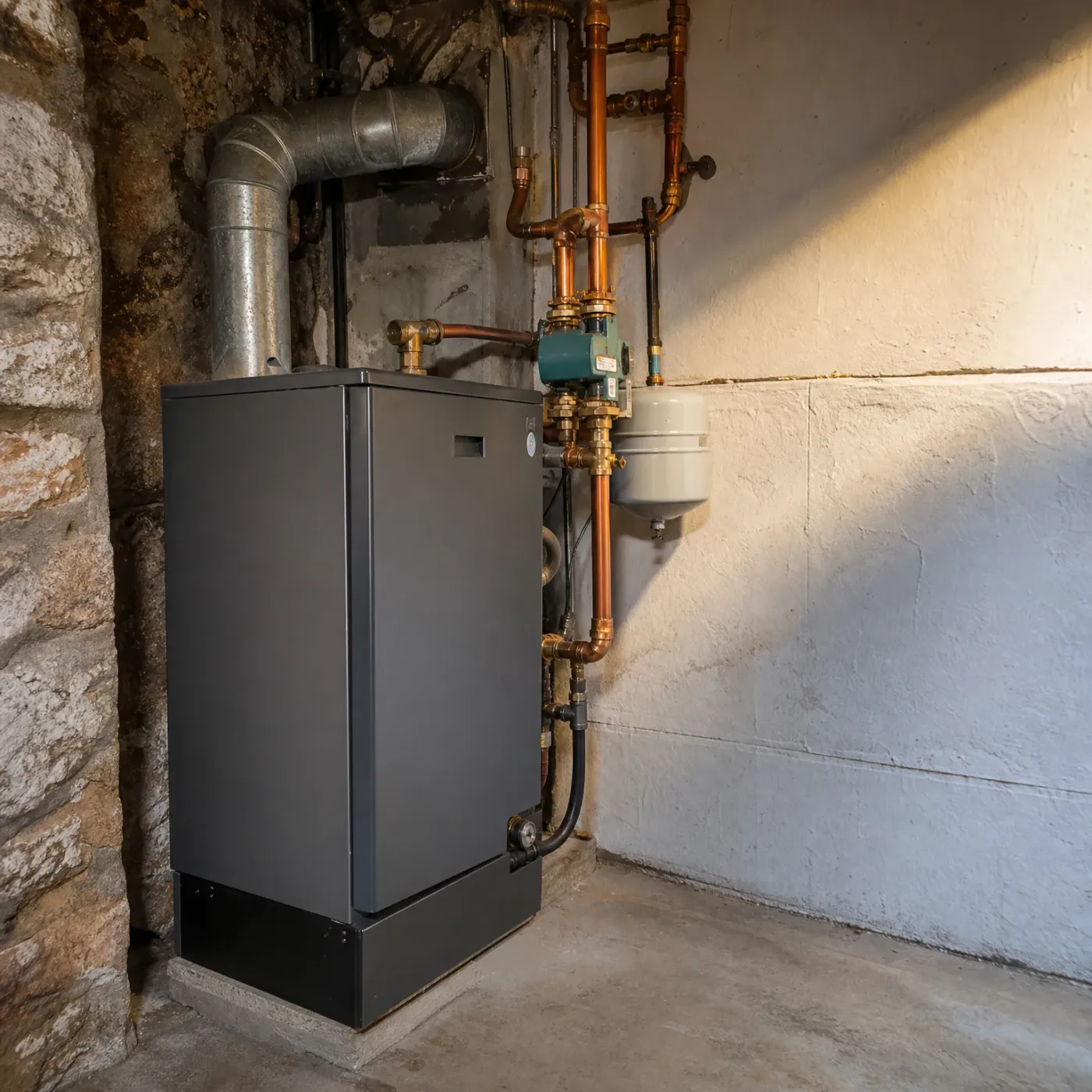
A dark gray boiler unit stands in a basement corner against a stone and painted concrete wall, connected to copper pipes, a circulator pump, an expansion tank, and a galvanized metal flue duct.

A boiler pro near you

Answer a few questions

Answer a few questions instead of calling shop after shop.

No charge to send it. You decide if you hire them.